




The most beautiful woman according to AI sparks curiosity worldwide. Everyone holds opinions, but technology now offers a new perspective on beauty. Artificial Intelligence determines the most beautiful woman from each country. Results surprise audiences and challenge traditional standards. AI highlights diverse definitions of beauty. Global comparisons reveal cultural differences and shared admiration. Technology reshapes how society interprets attractiveness. AI-driven insights encourage conversations about confidence and identity. Beauty becomes both universal and unique.
Digital artists used AI to predict beauty. They imagined the most beautiful woman from 15 countries based on regional standards. Beauty standards vary widely across cultures. Preferences shift depending on background and tradition. The United States celebrates an hourglass figure and flawless skin. Pacific nations often prefer modesty and a natural glow. Global comparisons highlight diversity in beauty ideals. AI reveals how culture shapes attraction. Technology showcases unique definitions of beauty worldwide.
We take a tour from Canada to Iran (and every stop in between), finding out how AI depicts cultural diversity and global perspectives on beauty. From familiar features to models we didn’t expect, let’s celebrate beauty from coast to coast. Sit back, relax, and enjoy a unique, amusing glimpse into what true international beauty looks like!
Australia
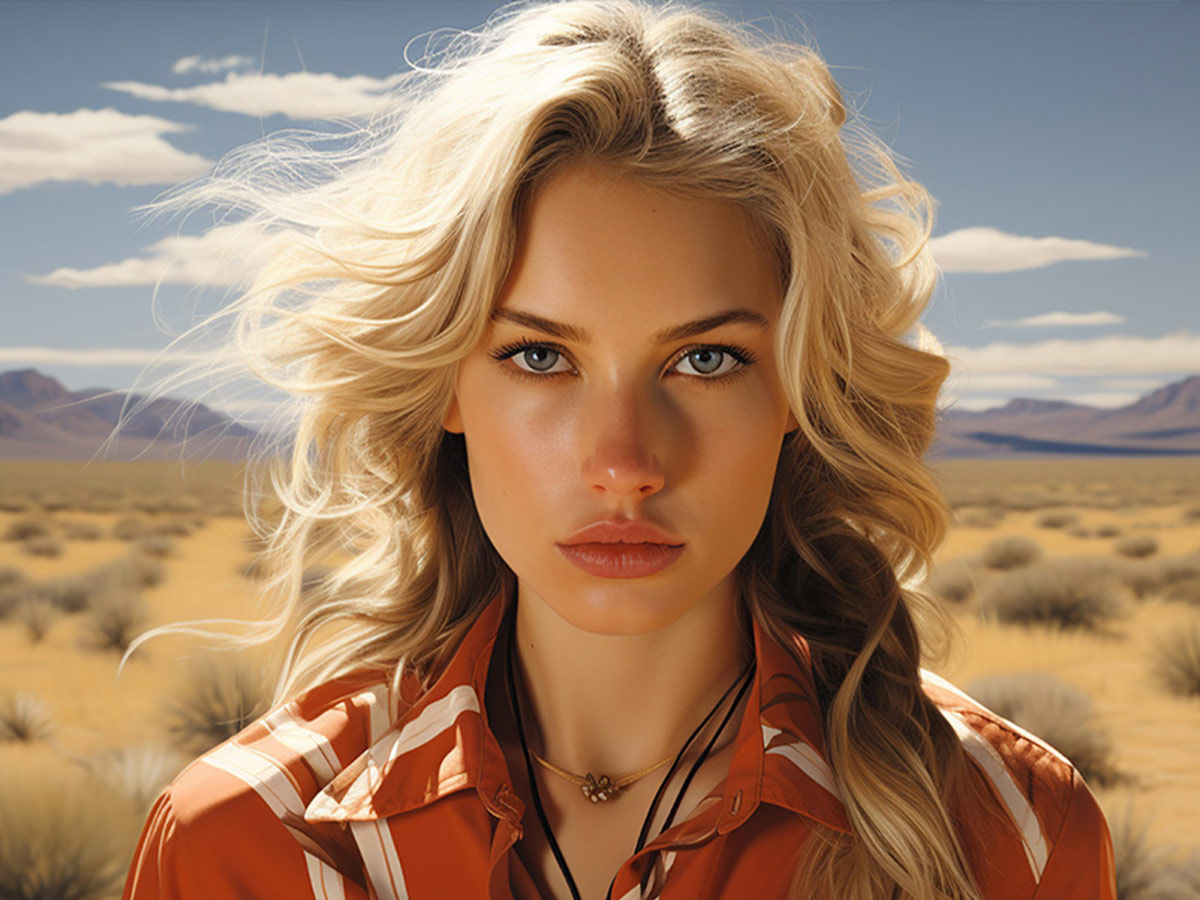
The most beautiful woman from Australia—based on common beauty standards—would likely have a healthy, athletic physique, with sun-kissed skin and a bright smile. Her hair would be natural and tousled, and her makeup would be minimal, highlighting her natural features. She may have striking eyes that reflect the beauty of the Australian landscape.
Australian beauty standards often value a natural, healthy look, with an emphasis on outdoor activities, fitness, and skincare. Tanned skin is also considered desirable, as it is often associated with an active lifestyle. There is also a trend towards embracing individuality and authenticity, with influencers promoting messages of self-love and acceptance. Ultimately, the beauty standards in Australia emphasize natural beauty and a healthy lifestyle.
Ireland

The beauty standard in Ireland favors fair skin, flushed cheeks, freckles across the face, and fiery red hair. The most beautiful woman’s eyes would be a bright shade of blue or green, with long lashes. Her features would be soft and delicate, with a hint of playfulness in her smile. She would exude a natural charm, with a confident, relaxed demeanor that puts others at ease. She may wear minimal makeup, focusing on enhancing her natural features rather than masking them.
Beauty standards in Ireland often value a natural, understated look, with an emphasis on skincare and an appreciation for the country’s landscapes. Moreover, clear, luminous skin, soft features, and a fit, healthy body are often promoted as desirable physical traits. Social media has helped shape beauty standards in Ireland, with a growing push for greater inclusivity and acceptance of a wider range of body types, skin colors, and gender expressions.
North Korea

North Korean beauty standards require citizens to follow strict rules. Women display delicate features and simple dispositions. Hair is styled classically, often in neat buns or straight bobs. Makeup remains minimal, highlighting natural beauty. Traditional clothing adds elegance and sophistication. Beauty reflects discipline, modesty, and cultural conformity. Appearance emphasizes harmony with national ideals.
North Korea emphasizes a traditional style, with a preference for modesty. Women are encouraged to wear conservative clothing and simple, practical hairstyles. However, there is also a trend toward conforming to a standardized look, with some reports suggesting government-sanctioned guidelines for hairstyles and makeup. The government plays a significant role in shaping societal norms and expectations.
Brazil

A beautiful Brazilian woman would have a toned, curvaceous figure, long, shiny hair, a radiant complexion, and captivating eyes. But beyond physical attributes, her beauty could stem from her confidence, intelligence, charisma, and warm personality. She is likely to be celebrated for the unique qualities that set her apart from the crowd.
In general, beauty standards in Brazil often value a curvy figure, a healthy tan, and clear, glowing skin. Brazilian women are known for their love of bold and vibrant makeup, with a focus on accentuating the eyes and lips. In terms of fashion, there is a trend toward mixing traditional and modern styles, with a focus on bright colors, playful patterns, and bold accessories.
Mexico
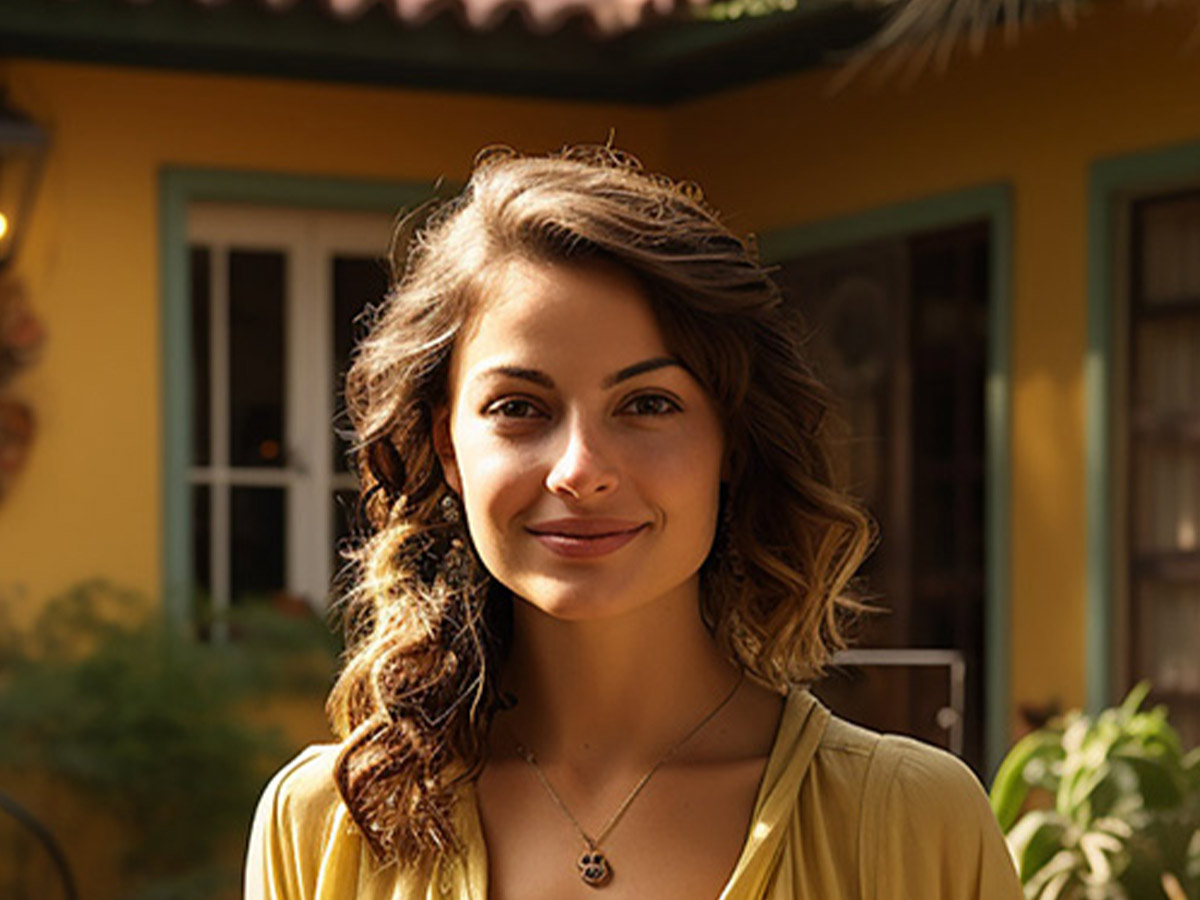
The most beautiful woman from Mexico could have various physical attributes that make her unique and attractive. She could have a naturally tanned complexion, dark eyes, long curly hair, and a charming smile. She may also have a curvaceous figure that exudes confidence and grace. Mexican culture values traits such as hard work, family, and hospitality, which could reflect in the most beautiful woman from Mexico.
Beauty standards in Mexico often value a curvy figure, a healthy tan, and clear skin. Overall, the beauty standards in Mexico are diverse and multifaceted, reflecting the country’s balance between traditional and modern influences.
Denmark
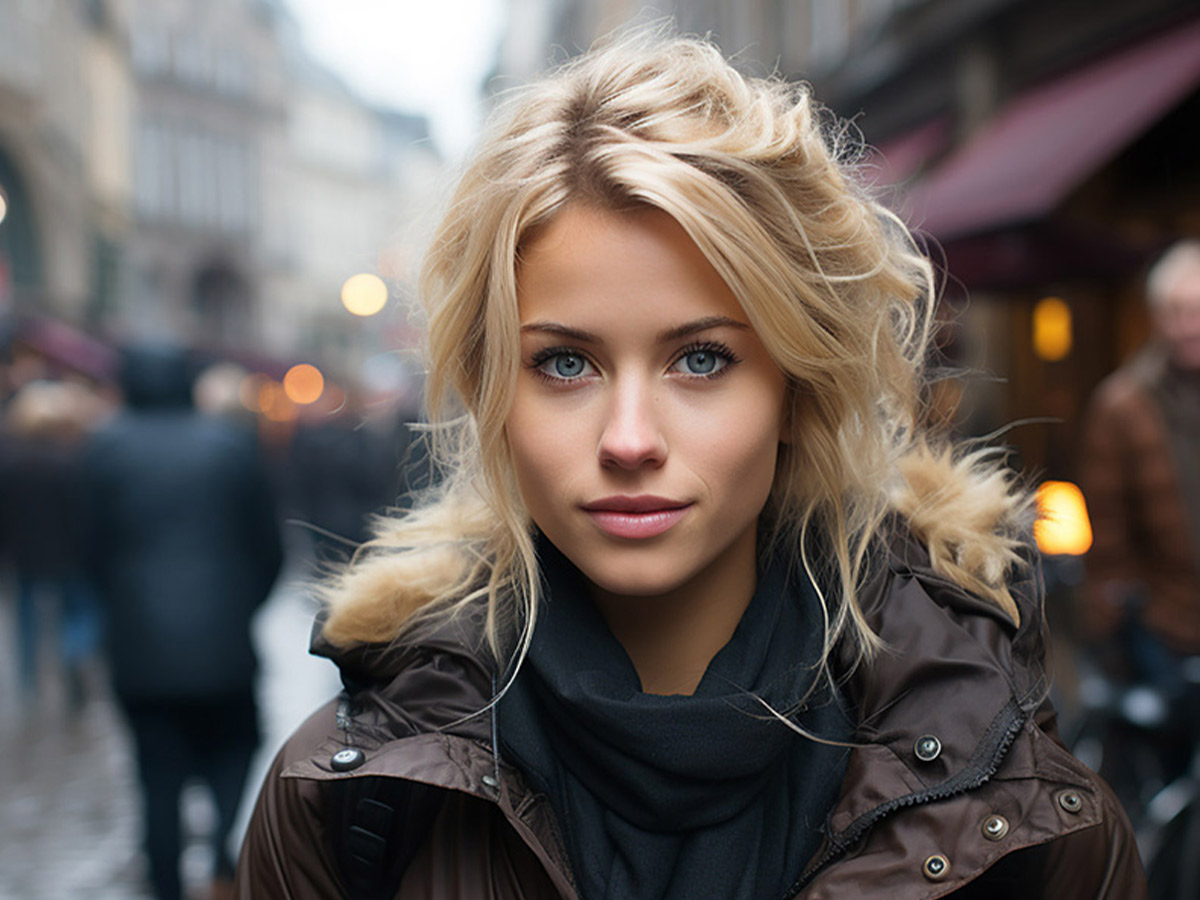
When it comes to beauty standards for women in Denmark, it’s about embracing a natural look. Forget about contouring your face to look like a completely different person or caking on layers of foundation. Danish women opt for a simpler approach, focusing on healthy skin and hair and a relaxed and effortless style.
That’s what I’m saying: they don’t need a full makeup session or a stylish outfit, but their overall vibe is ease and confidence. This woman looks well-dressed for the winter, with light features that contrast with her dark clothing. Indeed, she looks effortlessly beautiful.
The Philippines

Philippine beauty standards emphasize natural features. Traditional ideals emphasize thick eyebrows and full lips. Women highlight authenticity and celebrate natural charm. Skin-whitening products have also been popular, with Filipino women seeking a perfect “pinkis” complexion to appear more attractive. However, beauty trends in the Philippines have shifted over the past few years.
As more women embrace their curves, darker skin tones, and natural hair textures, a new beauty standard is emerging. Makeup has also become increasingly popular, with bolder looks making statements through bright colors and creative designs. Overall, beauty standards in the Philippines are changing as Filipinas embrace their unique features and individuality.
Ukraine
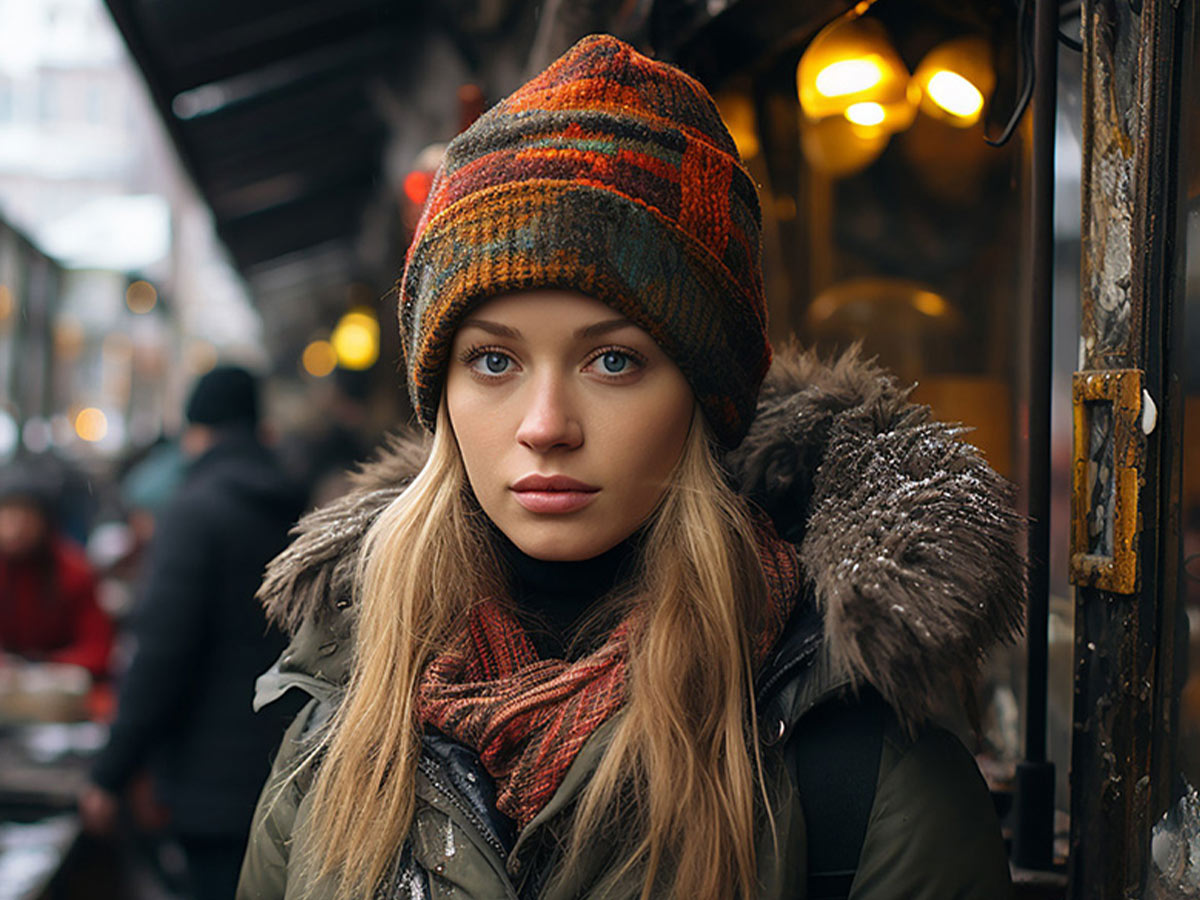
In general, Ukrainian beauty ideals emphasize a natural, healthy appearance, with an emphasis on clear, flawless skin and symmetrical facial features. Makeup is often minimal and natural-looking, focusing on enhancing natural features and achieving a luminous, healthy glow. Even bundled up, you can tell she meets her country’s beauty standards.
While the country’s beauty ideals are prevalent in Ukrainian society, a growing movement toward self-acceptance and diverse beauty standards is also emerging. Ukrainian women often follow healthy diets and exercise regimens to achieve this ideal body shape. Of course, the most important thing is being happy with yourself.
Spain
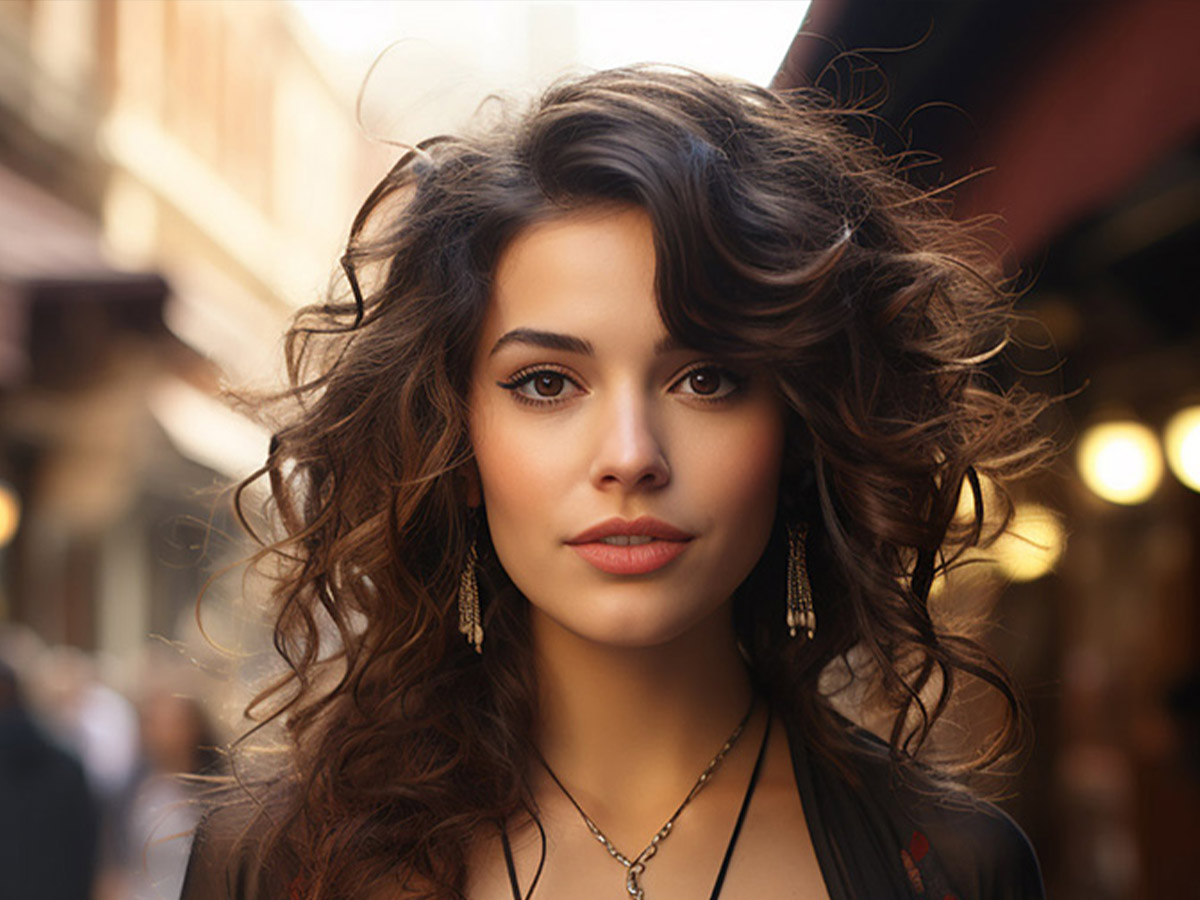
So while some of us may be hitting the gym to achieve that thigh gap, Spanish women embrace their natural curves. And let’s forget about the importance of a sleek, well-groomed appearance.
Spanish women pay close attention to their hair, skin, and nails, always looking polished and put-together. But ultimately, beauty is subjective, and we should all feel confident in our unique features no matter where we are in the world. This AI image is really just one interpretation of beauty standards in Spain.
Zimbabwe

Beauty standards in Zimbabwe are diverse and varied, reflecting the country’s cultural heritage and influences—an African woman from Zimbabwe.
Zimbabwean beauty standards emphasize hair as a symbol of identity. Natural hair is celebrated and valued. Intricate braids highlight tradition. Traditional styles showcase cultural pride and creativity. Hair reflects beauty, heritage, and individuality. Zimbabwean women embrace natural textures with confidence. Braids and styles express artistry and strength. Hair remains central to defining beauty and personal identity. Her style here reflects both traditional and modern sensibilities. Woven into a stunning outfit, her sense of style matches her beauty.
Ecuador

Ecuadorian women often prioritize skincare, using natural ingredients such as aloe vera and avocado to maintain a healthy complexion. Makeup is often minimal and natural-looking, focusing on enhancing natural features and achieving a luminous, healthy glow. In this case, her makeup complements her skin tone without overpowering the rest of her look.
Overall, beauty standards in Ecuador reflect a mix of cultural and societal influences, with a strong emphasis on natural, healthy beauty and a desire for symmetry and proportion in facial features. While certain beauty ideals are prevalent in Ecuadorian society, a growing movement toward self-acceptance and embracing diverse beauty standards is also emerging.
Thailand
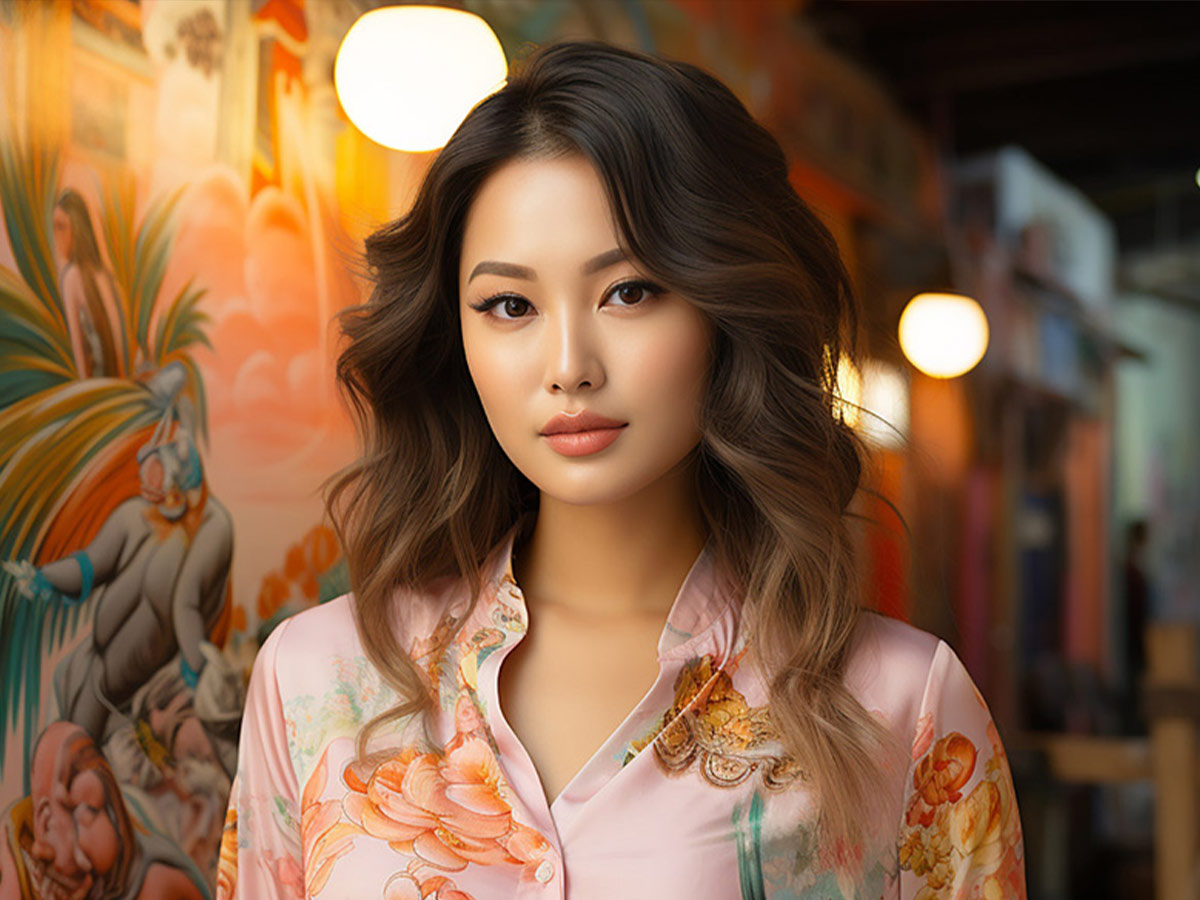
Thai beauty standards emphasize fair skin, small faces, and slim, toned figures. History, culture, and media shape these ideals. Fitness trends encourage athletic body shapes. Women increasingly engage in sports and fitness activities. Fairness of skin remains highly valued. Slim figures symbolize elegance and discipline. Modern influences expand beauty ideals to include strength and vitality. Cultural traditions continue shaping perceptions of attractiveness.
Thailand values fair skin as a symbol of beauty, wealth, and status. Many Thai women use whitening products to maintain complexion. They avoid direct sunlight to protect lighter tones. History links fair skin with the upper class. Darker skin is connected to outdoor labor and lower socioeconomic status. Cultural preferences continue shaping modern beauty ideals. Fair skin remains highly desired in Thailand. Traditional views influence contemporary practices and perceptions. Beauty reflects both heritage and social standing.
Egypt

A beautiful Egyptian woman may have high cheekbones, almond-shaped eyes, and a charming smile that lights up her face. Her complexion could range from fair to olive to darker tones, and she may have thick, long brown hair. Egyptian women are known for their graceful movements, and beyond their physical attributes, their beauty may stem from their kindness and modesty, depending on personal beliefs.
Beauty standards in Egypt value a youthful, healthy appearance with clear, radiant skin and well-groomed hair. Egyptian women are known for their love of bold, dramatic makeup, focusing on enhancing the eyes and creating a bold, statement look. Social media platforms like Instagram and Facebook have played a significant role in shaping beauty standards in Egypt, with influencers promoting a range of styles, from traditional to modern, and promoting messages of self-confidence and empowerment.
Iran

Iranian women prefer faces with almond-shaped eyes and full lips. Their skin should be flawless, with a soft and natural glow, and their hair should be long, dark, and flowing, with subtle highlights that catch the light. Her makeup would be understated most days and more dramatic on others, focusing on enhancing her features. She may wear traditional Iranian clothing that complements her beauty and adds to her elegance. The Islamic Republic of Iran has a conservative culture that promotes modesty and emphasizes inner beauty over external appearances.
Iranian women who follow Islam dress modestly and cover their hair with a hijab. Clear, healthy skin remains highly valued. Modest makeup enhances natural features and reflects cultural ideals. Beauty emphasizes purity, tradition, and confidence. Appearance highlights respect for faith and identity. In fashion, there is a trend toward traditional clothing such as the chador, manteau, and scarf. However, there is also a growing trend towards cosmetic surgery, particularly among young women, who seek to enhance their features and achieve a more Westernized appearance.
Venezuela

Venezuela celebrates a competitive beauty pageant culture. Doll-like features define attractiveness, including small noses, big eyes, and plump lips. Porcelain, blemish-free skin remains highly preferred. Women achieve this through diet, skincare, and regular treatments. Pageants shape national beauty ideals and cultural pride. Appearance reflects discipline, glamour, and confidence. Venezuelan standards emphasize perfection and elegance.
Long, luscious hair is also a key component of beauty in Venezuela, often styled into voluminous curls or sleek, straight styles. In addition, many women emphasize a toned, fit body and embrace a healthy lifestyle to stay fit and youthful. Overall, Venezuelan beauty standards are highly glamorized and competitive, reflecting a desire for perfection and sophistication.
Colombia

Colombian women are known for their naturally tanned complexion, long, flowing hair, and bright, sparkling eyes that captivate anyone who meets them. Colombian women are known for their confidence, and the most beautiful woman from Colombia could exude charm and grace in her movements and demeanor. Her figure could range from curvaceous to slender.
Beauty standards in Colombia value a healthy, fit appearance, with an emphasis on physical fitness and a toned body. Colombian women love fashion and embrace form-fitting clothing. These styles accentuate curves and highlight confidence. Long, flowing hair remains admired. Full lips and symmetrical faces are considered attractive. Colombian culture celebrates bold beauty and vibrant style. Fashion choices reflect personality and national pride. Curves symbolize femininity and allure. Hair and features enhance charm and elegance. Together, these traits define Colombia’s celebrated vision of beauty.
Peru

In general, Peruvian beauty standards emphasize a natural or indigenous aesthetic, often Colombia’sg features such as dark skin, thick hair, and full lips. The ideal body type tends to be curvy and healthy rather than thin or waifish. This AI image seems to embody many of those ideals, along with traditional garb.
However, a growing number of Western-style beauty trends, particularly in urban areas, can create their own pressures and expectations around body type and appearance. For the most part, when it comes to dressing, you’ll find they wear clothes similar to American ones
Frica
Like any culture or society, beauty standards in France have evolved over time. you’lllly, French beauty standards value natural, effortless beauty, with an emphasis on skin care and a healthy lifestyle. However, like any beauty standard, French beauty standards are not universal or applicable to every individual.
In terms of physical appearance, French beauty standards tend to favor a slim and toned figure, with an emphasis on a small waist and long legs. The face is also considered important, with emphasis placed on clear skin, well-groomed eyebrows, and natural-looking makeup. French women also tend to place a high importance on hair care, with long, well-maintained hair often seen as a sign of beauty.
Malaysia

In Malaysia, women’s beauty standards have evolved. What was once considered y- women’s beauty- women’s pale beauty- women’s pale skin– has been replaced by a preferencewomen’sn-kissed complexions. However, it’s not just about skin tonewomen’se. Today’women’s beauty standawomen’slude eyes, a small nose, a V-shaped face, and a thin figure.
While these standards mit’seem unattainable for many, rememberToday’seauty is subjective and personal; at the end of the day, confidence and self-love are the most beautiful qualities any woman can possess. As the Malaysian saying goes, “Ke apa susah-susah cari cantik? Cantik itu dari dalam!” (“Which translates to, “Why struggle to look beautiful? Beauty comes from within!”)
“ingapore
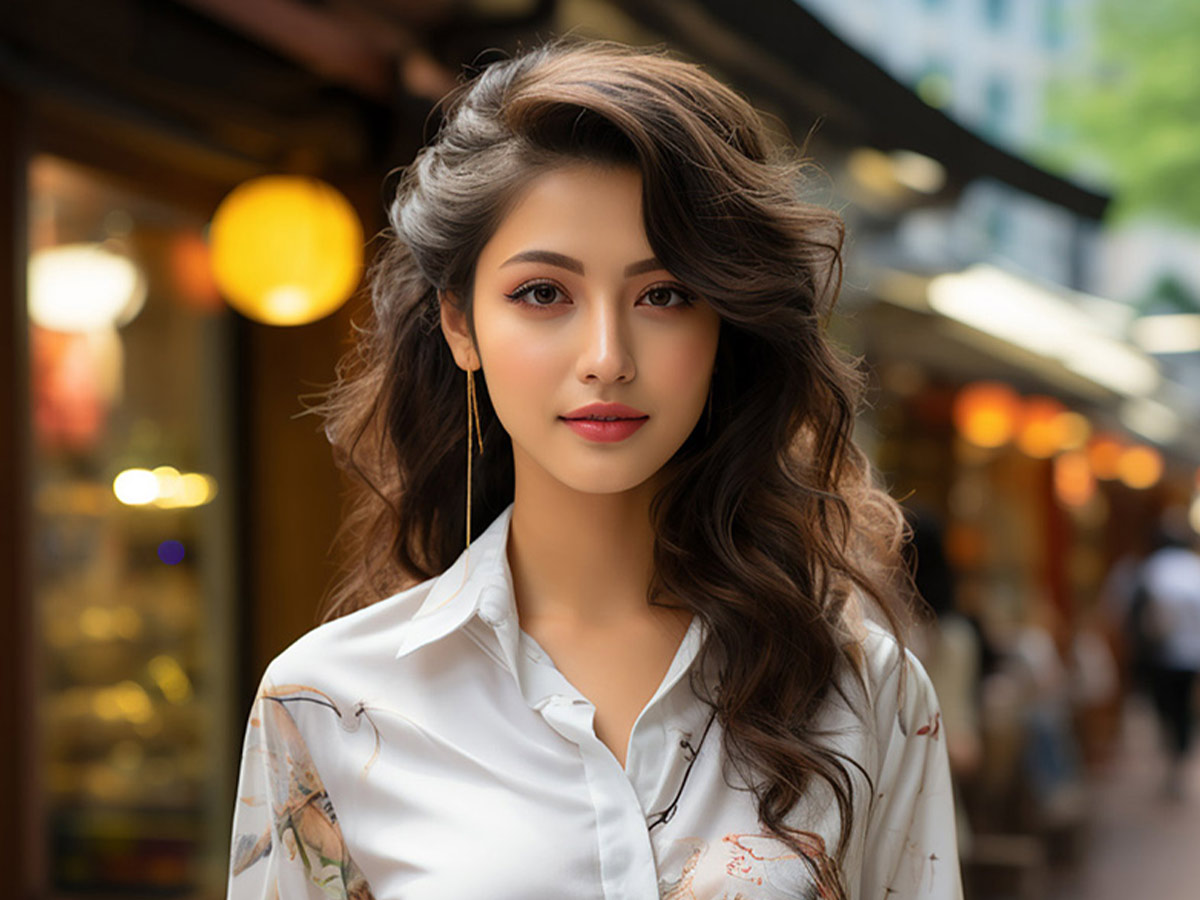
“”Beauty standards in Singapore are sha”ed”by cultural values, m”dia, and globalization. Generally, Singaporean beauty sta”da”ds place a high value on a youth”ul, flawless complexion and a slim, toned figure. This AI image has all of that and more.
Singaporean beauty standards also emphasize a slim figure, with a preference for a lean, toned physique. In recent years, there has been a shift towards promoting a healthy lifestyle and body positivity, with more focus on fitness and strength rather than just being thin.
Russia

The most beautiful woman from Russia, based on common beauty standards, would likely have sharp, striking facial features. Her hair would be blonde, thick, and lustrous, styled either sleek and polished or in effortless waves. Her eyes would be a piercing and captivating shade of blue or green. She would exude strength and resilience, with a confident, assertive demeanor that commands attention.
Russia often values a slim figure, tall height, and clear skin. Social media platforms such as VKontakte and Instagram have played a significant role in shaping beauty standards in Russia. In fashion, there is a trend toward blending traditional and modern styles, with a focus on quality, elegance, and sophistication. Russian women often prefer high-quality makeup and skincare products and are known for their love of bold, vibrant lip colors.
Italy
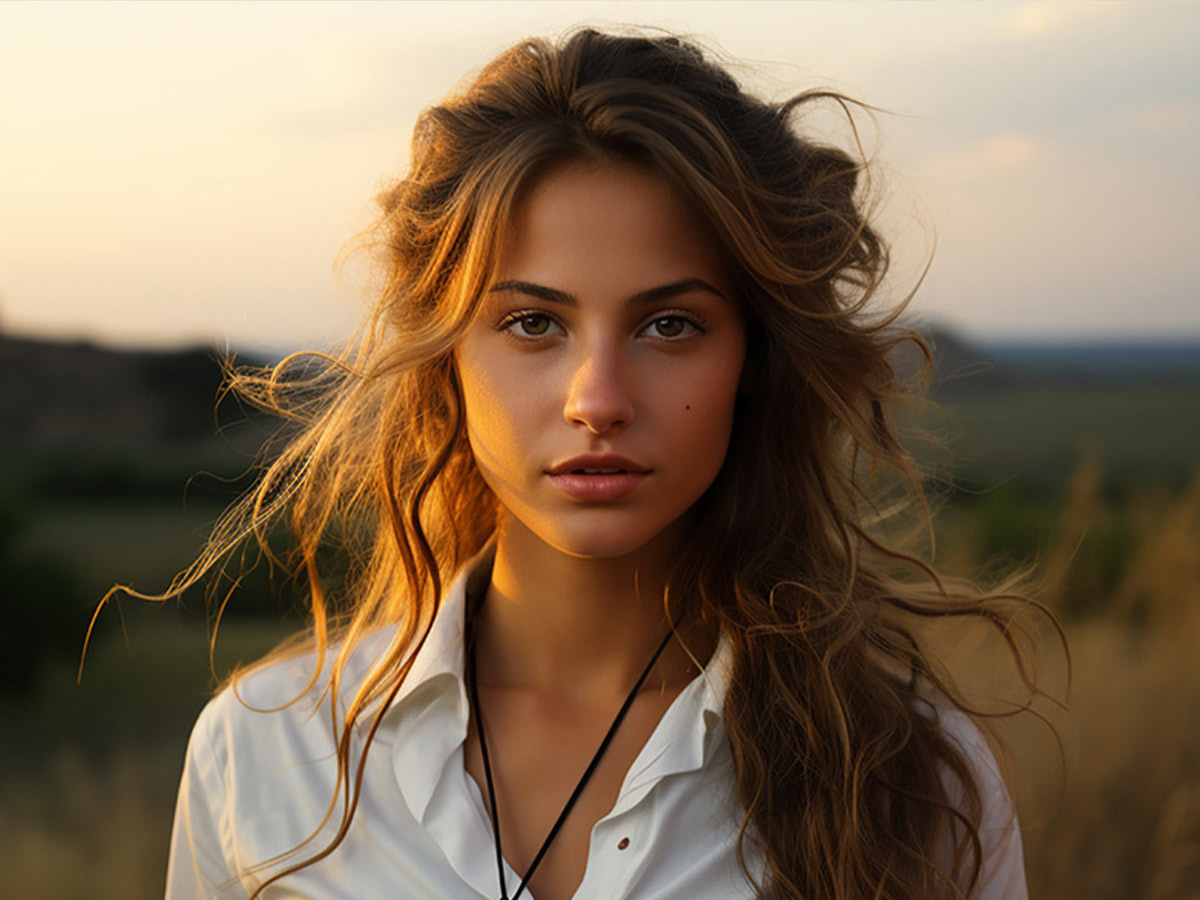
Traditionally, Italian beauty standards have strongly emphasized natural beauty. Women are expected to maintain clear, glowing skin. Thick, glossy hair symbolizes vitality and beauty. A healthy figure remains desirable. Natural makeup is preferred, with emphasis on the eyes and lips. Italian women embrace red lipstick with confidence. Cat-eye liner highlights bold elegance. Fashion and beauty reflect cultural pride and passion. Distinctive styles showcase individuality and charm. Together, these traits define Italy’s celebrated vision of beauty.
In recent years, however, Italy’s beauty ideal has shifted toward a more globalized standard, with greater emphasis on uItaly’samorous, highly stylized looks popularized by social medItaly’scelebrity culture. This has led to an increase in cosmetic procedures such as Botox and fillers, as well as a rise in popularity of body modifications like tattoos and piercings.
Greece
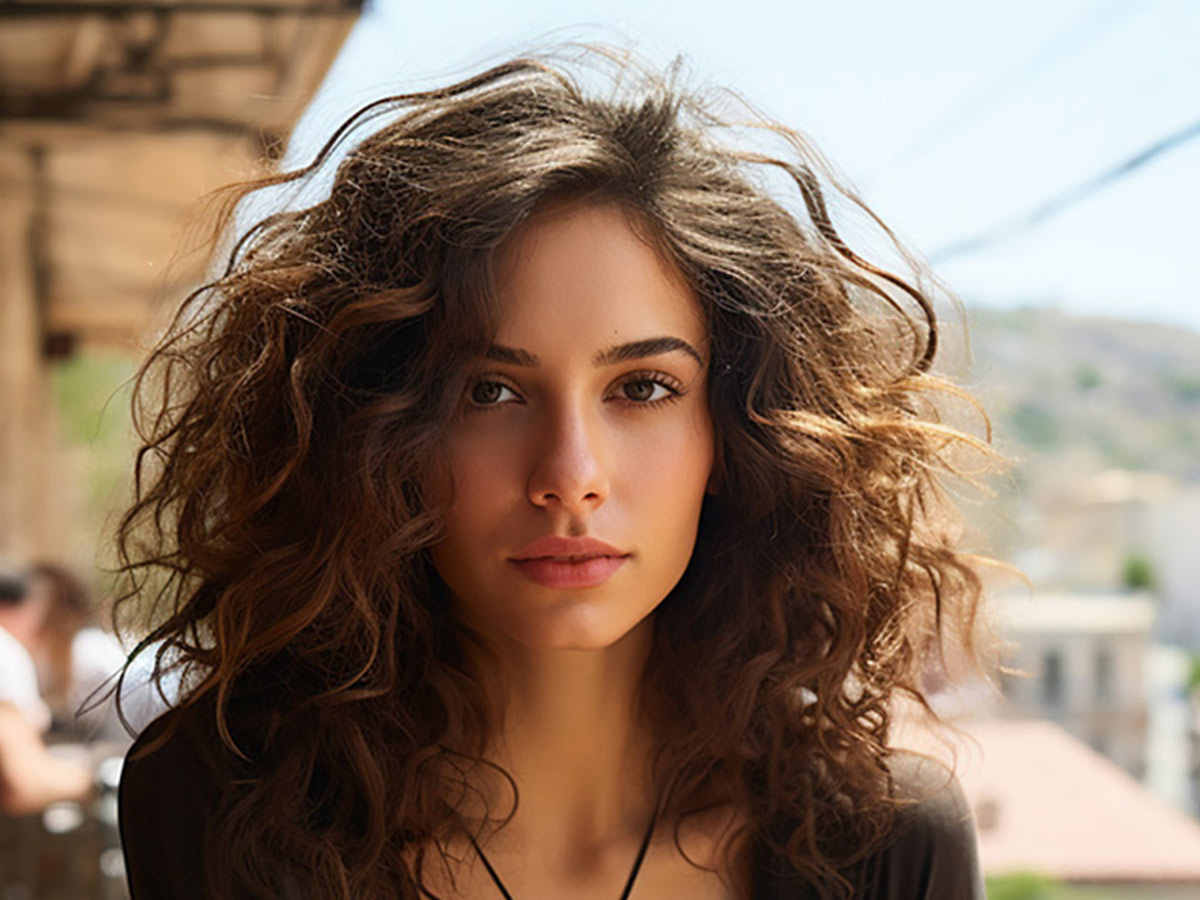
Greek beauty standards have a long history. Ancient culture prized physical beauty and celebrated it in art, literature, and philosophy. Classical ideals emphasized harmony and proportion. Sculptures highlighted strength and elegance. Writers praised beauty as a reflection of virtue. Philosophers connected attractiveness with balance and wisdom. These traditions shaped modern perceptions. Greece still values natural charm and timeless elegance. Beauty remains deeply tied to culture and identity. Today, Greek beauty standards still emphasize physical appearance, with a focus on natural beauty and healthy living.
Greek women are admired for radiant skin and shiny hair. Well-groomed appearances reflect discipline and care. Healthy diets rich in fruits, vegetables, and olive oil enhance beauty. Regular exercise supports vitality and fitness. Skincare routines maintain clear complexions. Natural, minimal makeup is preferred. Eyes and lips receive subtle emphasis. Elegance combines health, tradition, and charm.
Azerbaijan
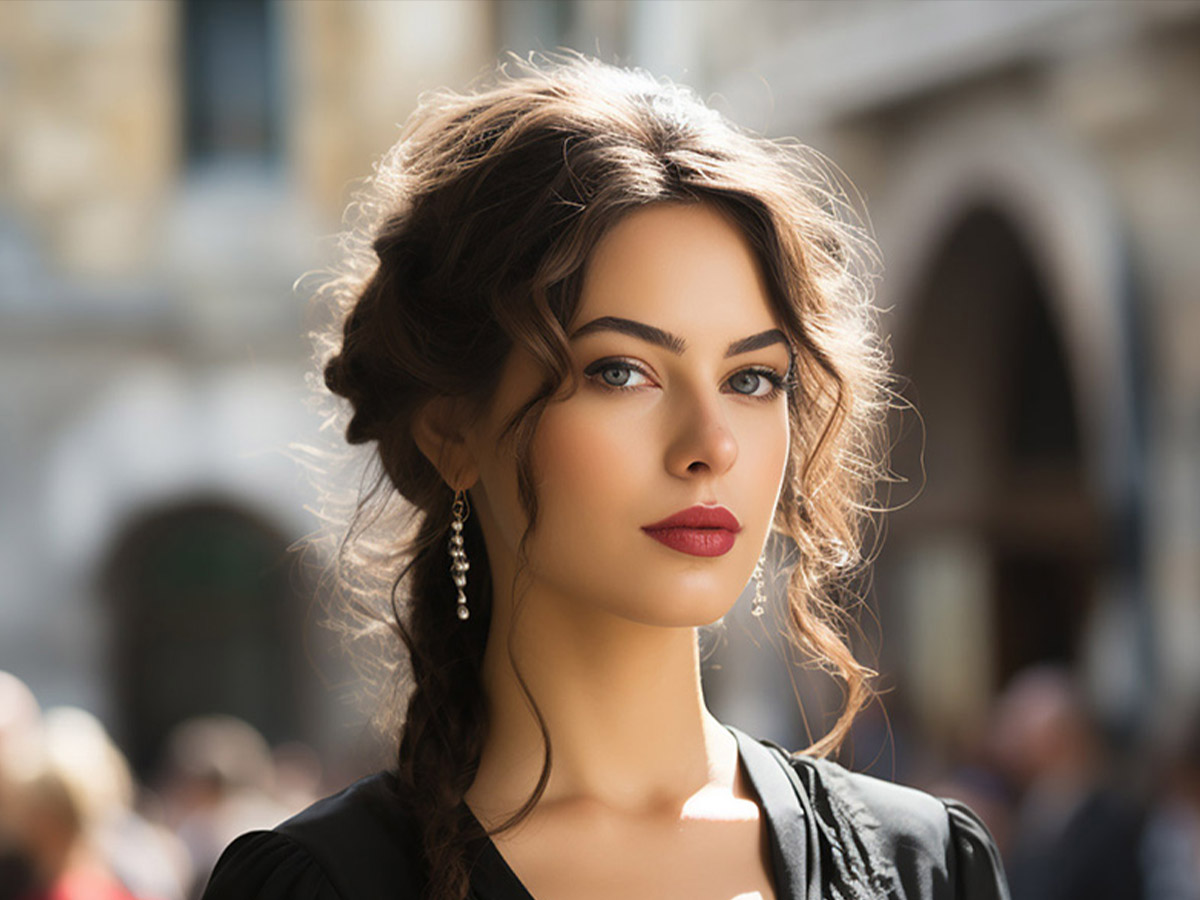
Azerbaijani society values physical attractiveness, self-assurance, intelligence, moral character, and respect for established gender norms. Azerbaijani society values education, knowledge, and refined style. Well-dressed individuals gain admiration. Family remains central to cultural ideals. People who prioritize family are viewed favorably. Beauty and respect intertwine with intellect and tradition. Appearance reflects sophistication and cultural pride. Social standards emphasize dignity, wisdom, and loyalty.
Many people in Azerbaijan take great pleasure in making those around them laugh and have a good time, so it’s no surprise that the country places a high value on a great sense of humor. In Azerbaijan, there is a powerful cultural tradition that places a high valit’sn men’s masculinity and women’s femininity. A small frame and a round face are considered highly attractive in women.
Sweden

It’s no semen’sthat external appwomen’ss can define how we are perceived; it’s also no secret that the most beautiful characteristics people in Sweden look fIt’sn a woman go beyond her looks. Sure, a woman with stunning features cait’srn heads, but intangible qualities truly capture the hearts of Swedish folks. Humility, kindness, and intelligence are just a few of the traits that they find most attractive.
We can’t deny that a love for meatballs and lingonberry sauce might also help win tcan’tver. It works on us anyway. So, ladies, let us toss those beauty standarcan’tt the window and focus on being your authentic self—that’s what shines in tcan’tverof the Swedish beholder.
Japan

Japanese beauty ideals reflect traditional aesthetics and culture. Mediathat’stes a clean, understated, and conservative look. Natural charm remains highly valued. Simplicity highlights elegance and discipline. Subtle styles emphasize balance and harmony. Beauty reflects cultural respect and timeless tradition. Japanese women place a strong emphasis on skincare, using natural ingredients and a multi-step skincare routine to achieve a glowing complexion. The AI image here captures the traditional beauty standards.
Another prominent beauty ideal in Japan is small, almond-shaped eyes, which are considered attractive and feminine. Many Japanese women use makeup techniques such as double eyelid tape and mascara to enhance their eye shape. Japan also has growing acceptance of diverse body types and a movement toward body positivity.
Turkey

Overall, beauty standards in Turkey reflect a mix of traditional and modern ideals, with a focus on natural beauty, grooming, and self-care. While certain beauty standards are prevalent in Turkish society, a growing trend toward individuality and self-expression is also emerging. The outfit here emphasizes a more traditional look mixed with modern makeup.
In terms of facial features, Turkish beauty standards tend to favor symmetrical, proportionate features, with a focus on a small nose, full lips, and almond-shaped eyes. Makeup is often used to enhance these features, with a preference for natural-looking colors and techniques, as seen in the image of this young woman.
Morocco

Moroccan women often use natural ingredients such as argan oil and rose water to maintain a radiant complexion. Makeup is often minimal and natural-looking, focusing on enhancing natural features rather than masking them. While contemporary clothing is worn in many parts of the country, many women also embrace a traditional aesthetic.
Another important beauty standard in Morocco is thick, lustrous hair, which is considered a sign of beauty and vitality. Moroccan women often take great care of their hair, using natural ingredients such as henna and olive oil to maintain its health and shine. Their look exudes both health and beauty standards in every way.
China

The most beautiful woman in China would likely have delicate facial features with clear, pale skin. Her hair would be long and sleek, possibly styled in a classic updo or straight. Her lips would be soft, with a natural and understated color. She should exude inner peace and balance, with “quiet” confidence and gentle grace that inspires those around her.
In contrast to Western be”uty s”andards, a more petite and slender body shape is often p”eferr”d. Social media platforms such as WeChat, Weibo, and TikTok have played a significant r “le in “shaping beauty standards in China. There is also a growing trend toward natural and organic skincare, along with a focus on Asian beauty products such as sheet masks and facial essences.
The Netherlands
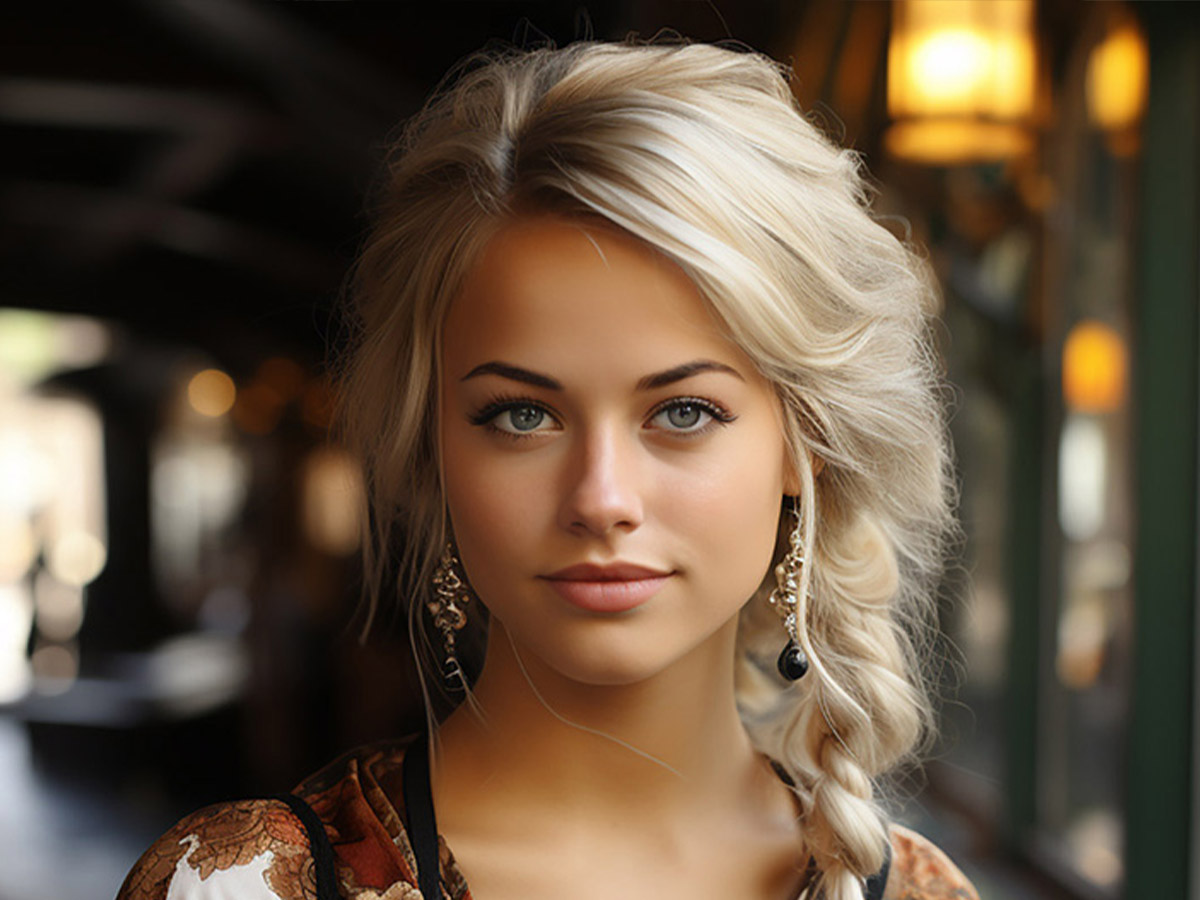
One of the most prominent beauty ideals in the Netherlands is clear, healthy skin. Dutch women tend to prioritize skincare, using natural and organic products to maintain a radiant complexion. Makeup is often minimal and natural-looking, focusing on enhancing natural features rather than covering them up, which we can certainly get behind.
In terms of body shape, there is a preference for a healthy, athletic figure, with an emphasis on a strong, toned physique. Dutch women tend to lead active lifestyles, with cycling and outdoor activities being popular pastimes. There is also a growing movement towards body positivity and acceptance of diverse body types in the Netherlands.
Vietnam

Historically, Vietnamese women have favored a paler complexion and thin, delicate features. Skin whitening is still popular today, with some women using face masks, scrubs, and creams to achieve the desired look. Vietnamese beauty standards place a strong emphasis on hair. Long, dark hair is preferred. Women style it in intricate buns or braids. Hair symbolizes elegance, tradition, and femininity. Grooming reflects cultural pride and identity. Natural textures emphasize authenticity and charm. Beauty ideals connect hair with grace and heritage.
Many Vietnamese women also embrace their curvaceous physique by wearing figure-hugging clothing and clingy fabrics that highlight their curves. Finally, bright colors are also integral to Vietnamese beauty standards, and many women opt for bold makeup looks featuring strong eyeshadow and lip colors. This captures both the physical and aesthetic preferences.
India

The most beautiful woman in India may have a dusky complexion, dark eyes, long, thick hair, and a dazzling smile. Indian women are admired for graceful movements. The most beautiful woman from India displays poise and elegant presence. Distinct features reflect cultural heritage. Indian culture values kindness, humility, and respect for elders. These traits shape beauty ideals and influence perceptions. Elegance combines physical charm with inner values. Grace and tradition define India’s celebration of beauty.
Beauty standards in India often value clean skin, long hair, and Indian features. Historically, Indian beauty standards linkedIndia’skin to higher social status. This perception remains prevalent in some communities. Women embrace colorful clothing and intricate jewelry. Makeup emphasizes the eyes and lips. Fashion highlights elegance and cultural pride. Beauty reflects tradition, heritage, and individuality. Appearance combines social ideals with personal expression.
South Africa
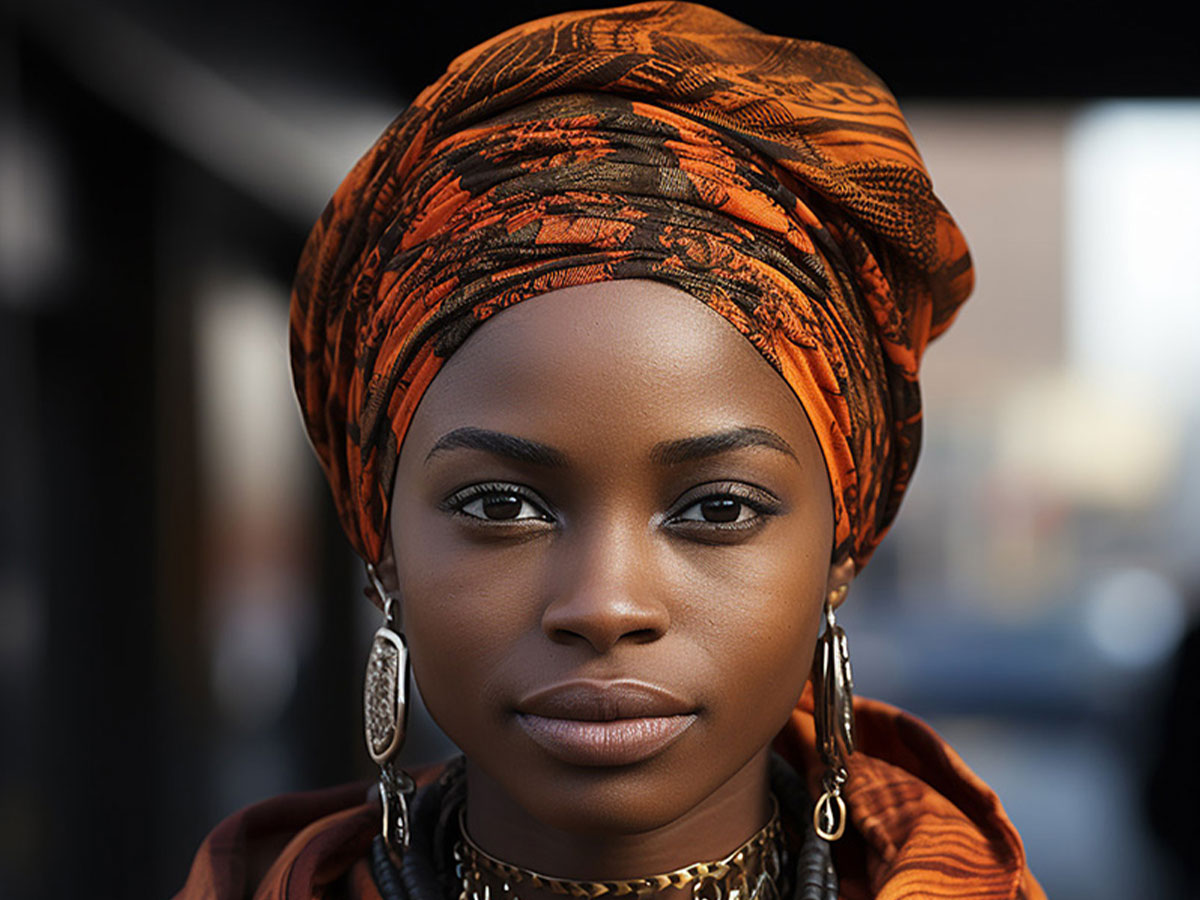
Beauty standards in South Africa are diverse, reflecting the country’s rich heritage and a unique blend of African, European, and Asian influences. From darker to lighter skin tones, beauty ideals in South Africa tend country’size a healthy, confident appearance, with an emphasis on self-expression and individuality.
One of the most prominent beauty ideals in South Africa is clear, glowing skin. South African women often use natural ingredients such as aloe vera and rooibos tea to maintain a healthy complexion. Makeup is often minimal and natural-looking, focusing on enhancing natural features rather than covering them up.
Canada

According to A.I., the most beautiful woman from Canada would likely have a natural a healthyhy appearancwithin glowing skin. Cwith glowing skinld be thick and glossy, possibly styled in loose waves or a sleek bob. Her eyes would be bright and sparkling, with a captivating gaze that draws people in. Her makeup would be minimal, focusing on enhancing her features rather than hiding them. She may have a warm, friendly demeanor that exudes approachability.
Beauty standards often value a minimalist approach, emphasizing healthy lifestyles, skincare, and eco-consciousness. Clear and radiant skin, well-groomed hair, and a fit physique are often promoted as desirable physical features. In terms of fashion, there is a trend toward simple, understated styles, with a focus on sustainability and ethical fashion. There is also a trend towards embracing individuality and authenticity, with influencers promoting messages of healthy living and inclusivity.
South Korea

A cultural obsession with beauty and a desire for physical perfection strongly influence beauty standards in South Korea. In general, South Korean beauty ideals emphasize a youthful, flawless appearance, with clear, radiant skin and symmetrical facial features. The woman in this image captures that standard, even with everyday clothing.
Cosmetic surgery often shapes modern beauty ideals. Double eyelid surgery remains common. Nose jobs refine facial balance. Jawline reduction enhances symmetry. These procedures help achieve desired features. Many women pursue surgery to match cultural standards. Beauty reflects both natural traits and surgical enhancements. Appearance combines tradition with modern practices.
Iceland

In a country where frigid temperatures are the norm and the Northern Lights light up the night sky, Icelandic women don’t follow conventional beauty standards. Here, the emphasis is on being confident in your own skin, no matter your size or shape. It’s all going to be covdon’tup with a nice warm jacket anyway!
It’s no wonder women in Iceland regularly make the happiness charts. Because when you’re comfIt’sble in your skin, you radiate confidence and beauty from theIt’side out. In Iceland, yoyou’redress practically and look the way that feels mosyou’reortable to you. What more could you really ask for?
Jamaica

In Jamaica,yoyou’redressdeals are unique. Long gone are the days of aspiring to be a size 0 with flawless skin. In Jamaica, beauty is about curves, confidence, and natural hair. It’s refreshing to see a culture that celebrates diversity and embraces individuality. Here’s what you’ll find on the beaches of Negril.
She looks confident It’spoised without overdoing it. Wearing a rainbow of colors rather than just black, thHere’sicans you’llworry about overdoing it with dark clothing. And let’s be honest, wouldn’tyou want a bold, bright look? Don’t like the women of Jamaica? It’s time to don’tine beauty standards and celebrate the unique featulet’shat make us all beautiful.
ArgentiIt’s
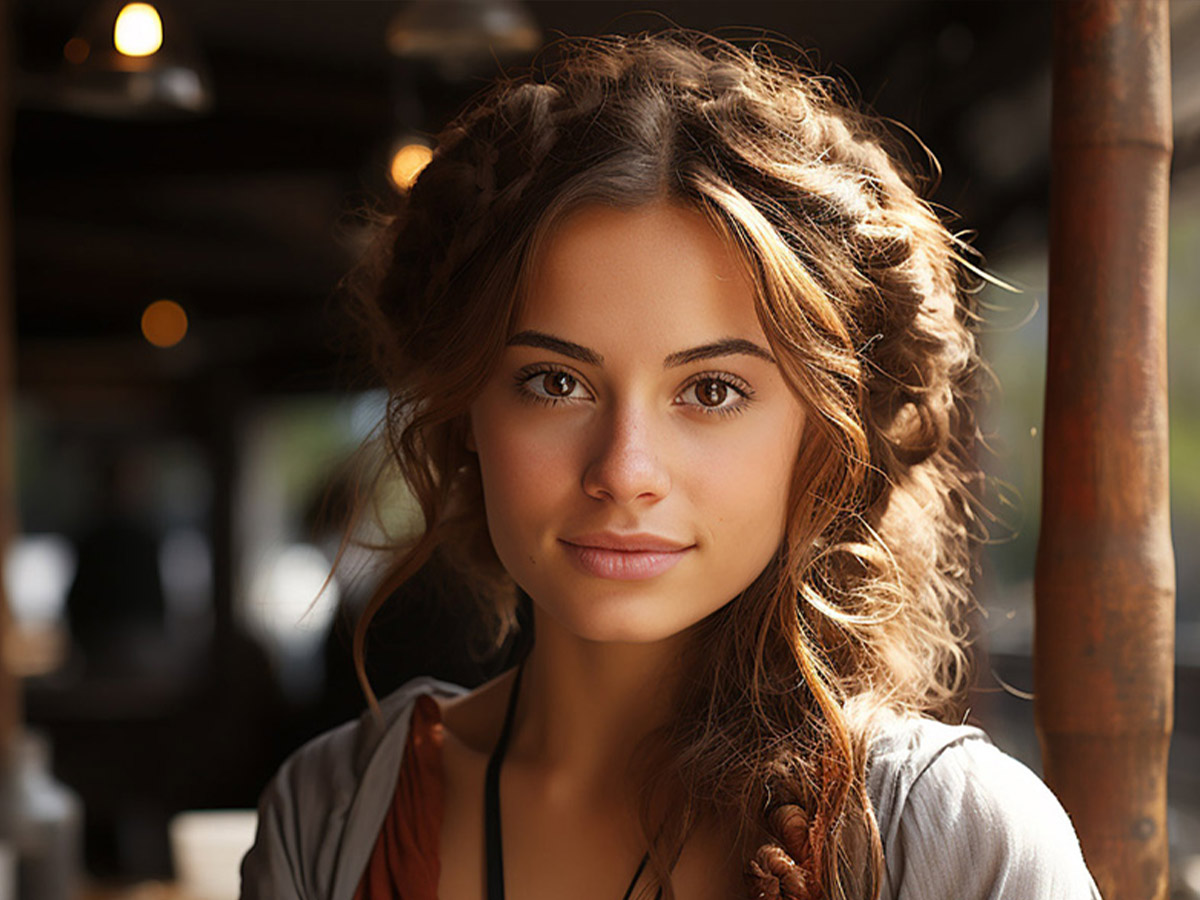
Don’tArgentina has a signifIt’st European heritage, with many people of Italian, Spanish, and other European descent. As a resulArgentiIt’sften prefer features associated with European ancestry, such as fair skin, light eyes, and straight or wavy hair. However, not everyone in Argentina looks the same – and that’s a good thing.
In Argentina, the ideal beauty standards seem to focus on long, flowing hair, toned bodies,s and flawless skin. But here’s the thing: bethat’somes in all shapes, sizes, and colors. So, let’s celebrate our features instead of focusing on unrealistic expectations. After all,here’sdence is the most active quality a person can possess.
Ghana

let’sGhana has a rich cultural heritage, and its beauty standards draw on it to showcase Ghanaians’ natural beauty. Ghanaian beauty emphasizes healthy skin and hair, usually showcased through Ghanaian aids and natural hairstyles. The Ghanaian ideGhanaians’ty often favors fuller, curvier frames, highlighting the beauty of African women’s bodies.
Dark skin is celebrated as desirable. Women enhance their natural glow with shea butter and women’s coconut oil. Natural ingredients highligwomen’senticity and pride. Radiance reflects health and cultural heritage. Beauty emphasizes confidence and iwomen’sality. Traditional practices connect skincare with identity. Glow symbolizes strength and elegance. Ghanaian beauty standards often emphasize self-careand natural products that contribute to a healthy, gorgeous look that celebrates African beauty. Clothing can be both traditional and contemporary.
Indonesia
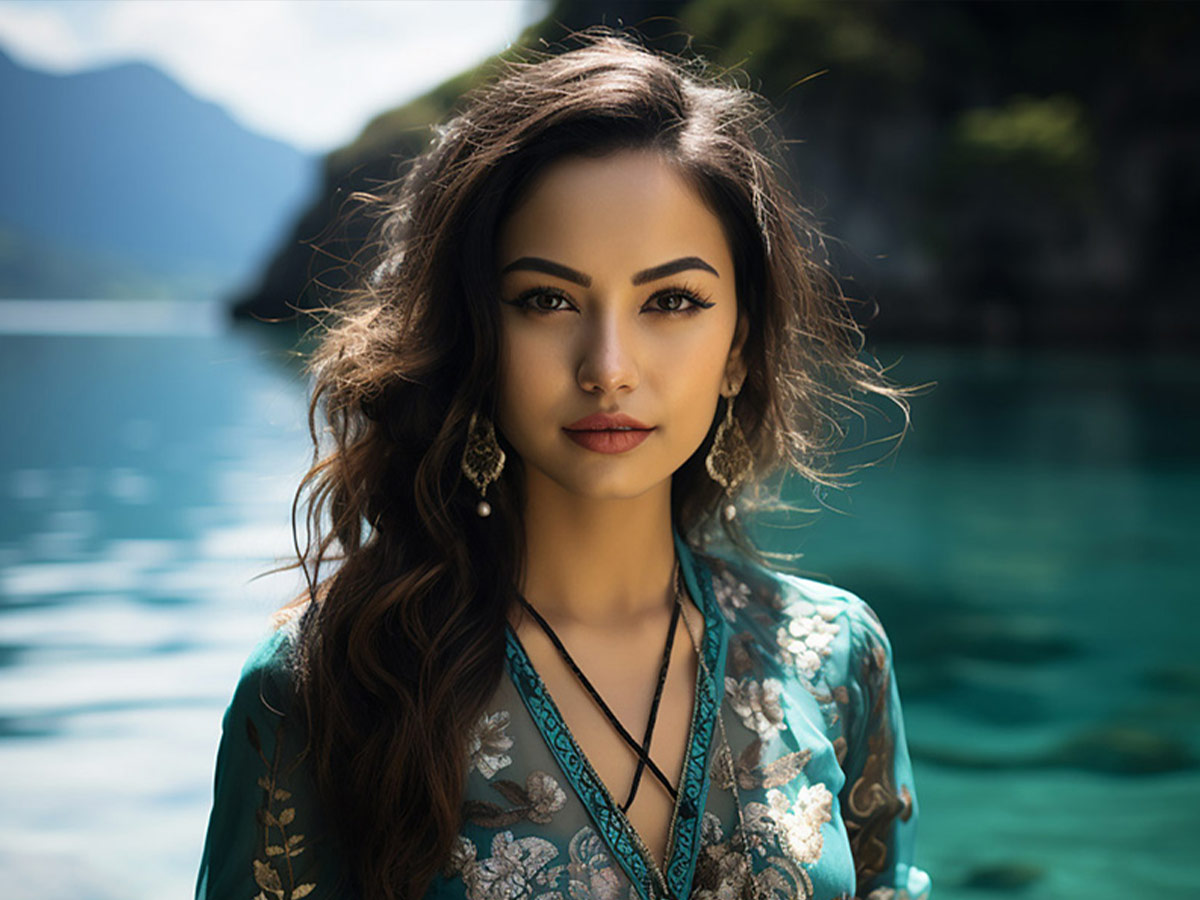
Multiple factors have influenced Indonesian beauty ideals over the years. In the 20th century, lighter skin gained popularity in Indonesia. Dutch ancestry influenced ideals of beauty. Stars like Suzzanna popularized this look. Silver screen icons reinforced lighter complexions as desirable. Media shaped perceptions of elegance and status. Cultural influences blended with colonial legacies. Beauty standards reflected history and entertainment. However, some things have changed in the 21st century, and not just the way Indonesian people dress.
These days, thanks to the rise in popularity of Korean media in Indonesia, beauty standards have started to shift toward more Asian features. The woman’s outfit in this image reflects Indonesian beauty standards, and her clothing symbolizes adopting twoman’sandards.
Belarus
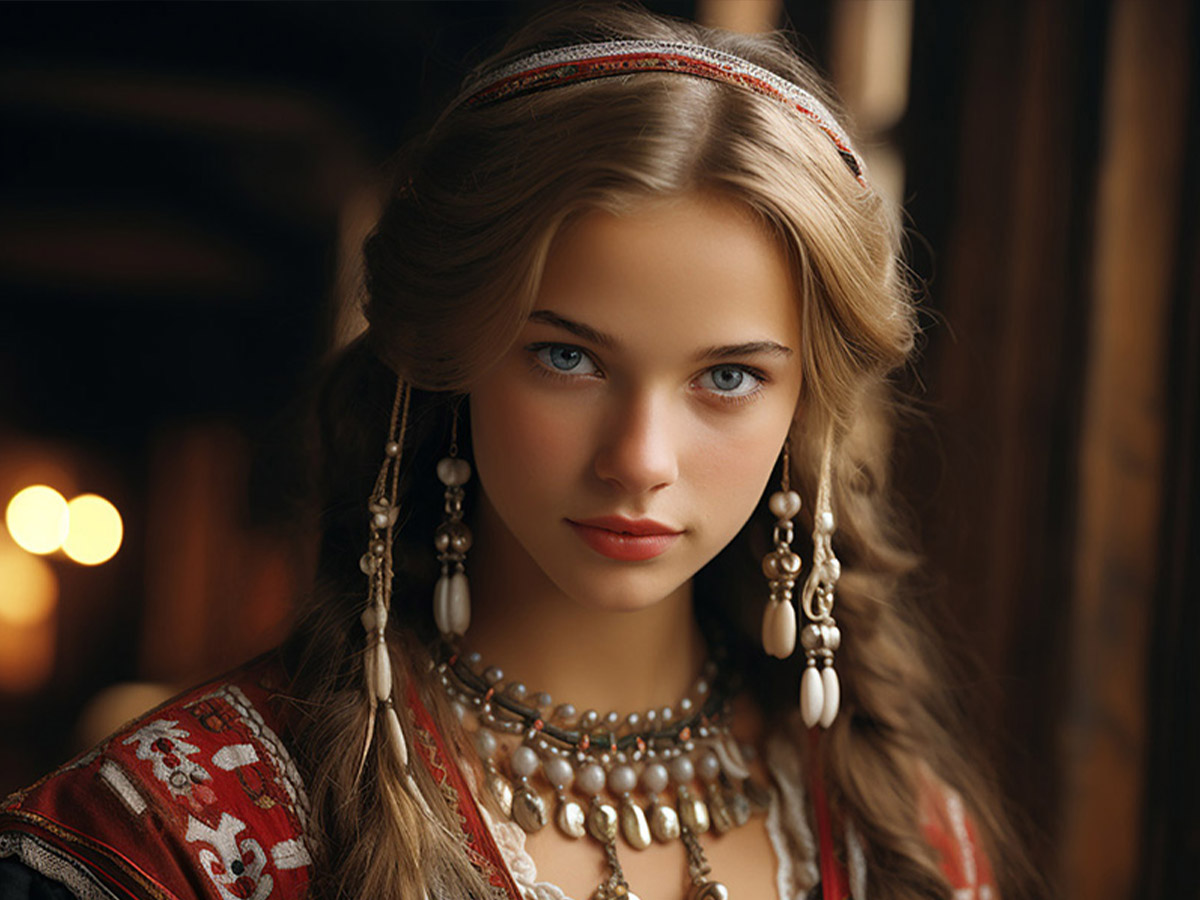
Belarwoman’sa complex cultural and historical background, and its beauty standards reflect that. Traditionalltwoman’sandardsan feminine ideal was characterized by a more modest and conservative appearance, with natural makeup and a focus on natural features. However, in recent years, there has been a shift towards more Western-style beauty trends, which often emphasize more dramatic makeup and more revealing clothing.
Despite this shift, physical fitness and slimness remain strongly emphasized, creating pressure to conform to a specific body type. Belarusian beauty standards reflect tradition, modernity, and global influence. Cultural heritage shapes ideals of elegance. Modern trends emphasize individuality and style. Global exposure introduces diverse perspectives. Beauty highlights balance between authenticity and innovation. Appearance symbolizes pride, adaptability, and cultural identity.
Kenya

In Kenya, like in many other African countries, the feminine beauty ideal is often characterized by traditional cultural practices, such as tribal scarification, elaborate hairstyles, and traditional tribal clothing. Women with dark, glowing skin, well-defined curves, and thick black braided hair are often celebrated as beautiful. This image embodies those traditional tribal influences.
Being well-educated and polite, along with a woman’s physique, is also considered an important part of femininity in Kenyan culture. Combining beauty awoman’sns, women have a powerful influence on cultuwoman’sd are shaping it as they see fit. In more urban areas, there’s been a growing trend in adopting Weawoman’snsty standards.
Poland
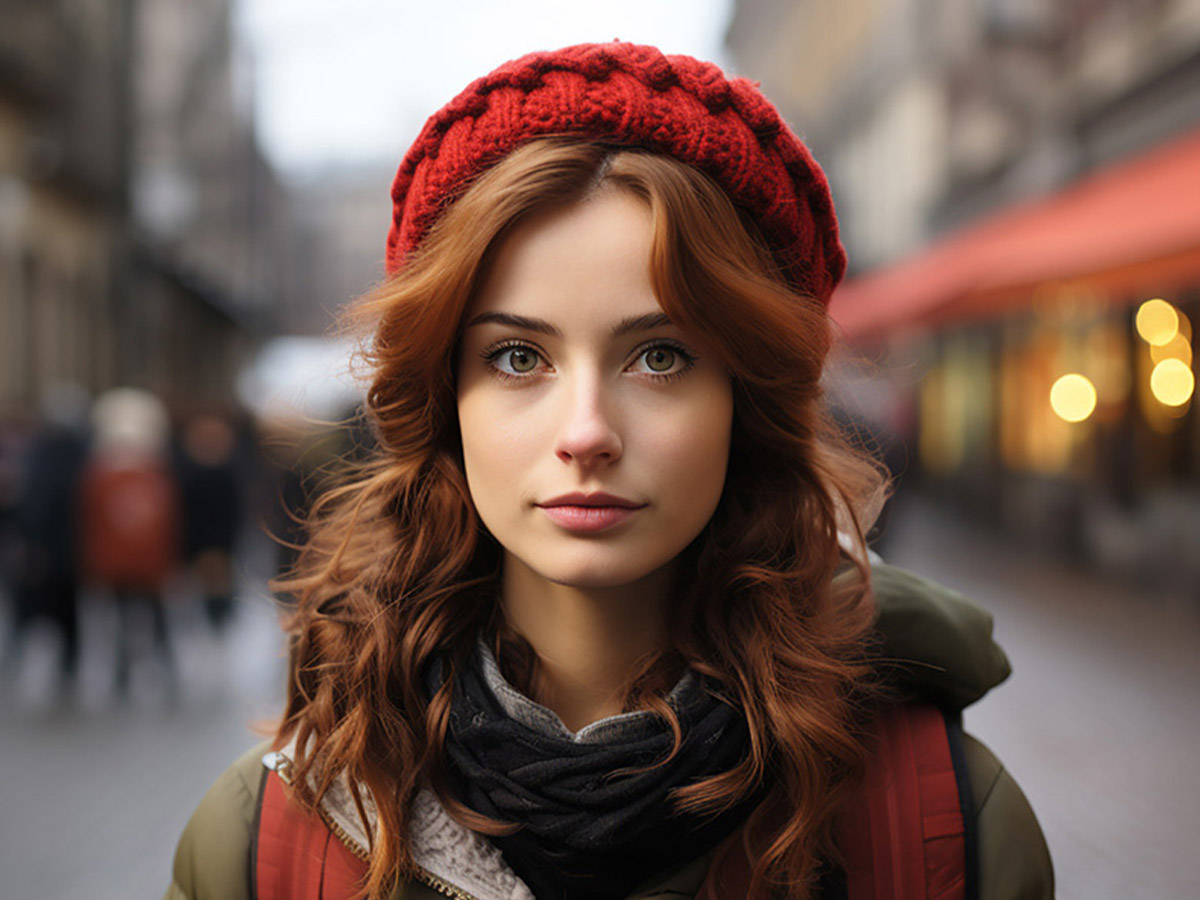
Poland has a diverse, evolving beauty culture that reflects there’story, geography, and global influences. In recent years, there has been a growing trend towards natural beauty, with a focus on healthy, radiant skin, minimal makeup, and more relaxed hairstyles. Classic, elegant styles, such as red lips, winged eyeliner, and sleek bobs, obs are still popular.
However, many exciting new beauty trends are emerging on the local scene, and many women are embracing them. Despite the influx of global beauty trends, Polish women still take pride in maintaining their own cultural identity, with traditional braids and hair decorations, coupled with contemporary makeup looks, becoming increasingly popular.
Chile

Chilean women are known for their effortless, natural beauty, which often includes sun-kissed skin, beachy waves, and subtle makeup. However, in recent years, there has been a growing focus on self-expression through bold, vibrant makeup looks, such as neon eyeliners and colorful lipsticks.
In addition, many Chilean women are embracing their natural curls and textured hair, with many opting for voluminous hairstyles that showcase their unique beauty. Overall, beauty trends in Chile celebrate individuality and embrace one’s unique features.
Norway

Norwegian women are known for their fresh, natural beauty, with a focus on clear, glowing skin and minimal makeup. Hair is also an important part of beauty in Norway, with many women embracing their natural color and texture and opting for undone hairstyles that reflect their active lifestyle. Modern clothes are worn, but they haven’t forgotten their roots.
In colder months, bold red and berry-toned lipsticks are popular, while in summer, unbronzed and sun-kissed skin is celebrated. Beauty trends in Norway are all about embracing nature and reflecting it in one’s own unique style. This look screams Norwegian!
Pakistan
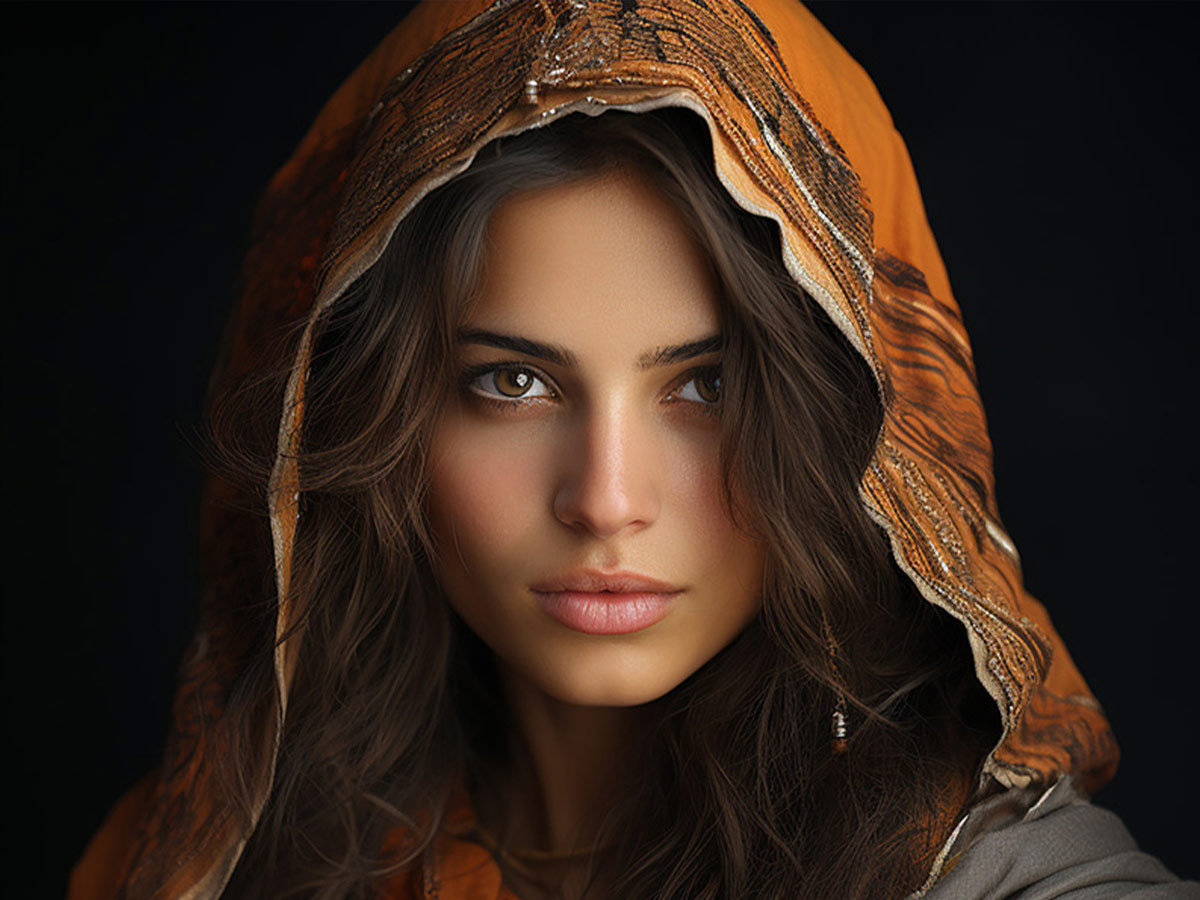
Pakistan has a rich cultural heritage, and its beauty standards reflect one’stional South Asian ideals that emphasize natural beauty, grace, and femininity. In Pakistan, notions of beauty prioritize delicate, soft facial features, such as big eyes, a Small Nose, and full lips. Women in Pakistan may have a variety of skin tones, and most are appreciated.
Light skin is considered desirable in many cultures. Women often use skin-whitening products to achieve lighter complexions. Social pressures reinforce these practices. Historical associations link fair skin with privilege and higher status. Beauty ideals continue shaping modern preferences and choices. Beautiful hair, usually long and shiny, is another important aspect of Pakistani beauty standards. Makeup is typically modest, accentuating the eyes and lips while remaining subtle around the rest of the face. Pakistani beauty standards exude an impression of poise and refinement.
Taiwan
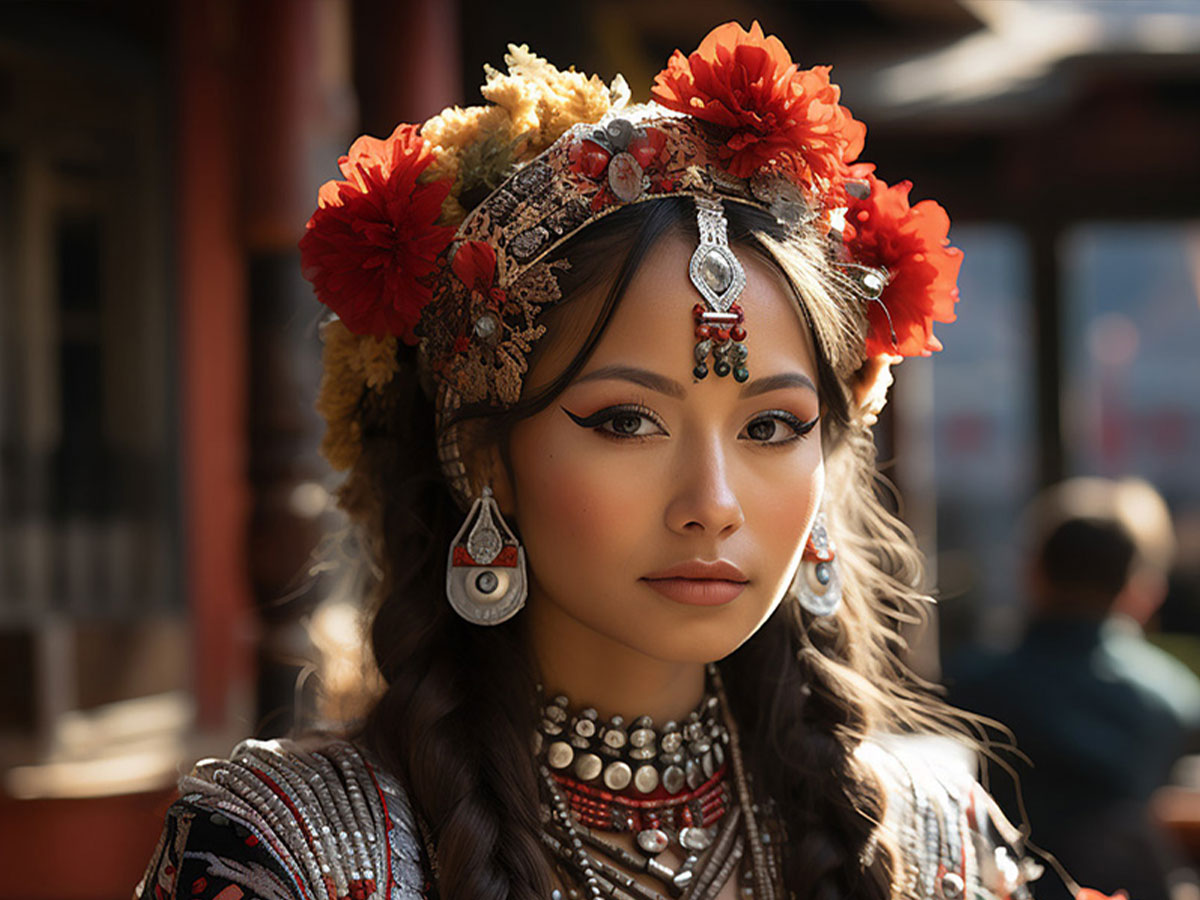
One popular beauty trend in Taiwan centers on skincare and cultivating a healthy, glowing complexion. This involves a multi-step skincare routine that uses high-quality, natural ingredients such as snail mucin, green tea, and ginseng to boost radiance and hydration. The refined look of their makeup displays both dedication and care.
Another trend in Taiwan is bold, colorful eye makeup that often incorporates playful, anime-inspired elements, such as exaggerated lashes and bold graphic liners. Overall, beauty trends in Taiwan blend traditional Asian beauty ideals with modern, global influences, creating unique and exciting new looks.
Austria

Austrian beauty ideals traditionally emphasize a natural, healthy appearance, with a focus on clear skin, well-groomed hair, and understated makeup. Pale skin has traditionally been preferred to a tanned or darker complexion. While Western-style clothing has certainly caught on in Austria, many women still embrace traditional styles.
Even as Western beauty trends have become increasingly popular in Austria, more and more people are looking toward bolder, more dramatic makeup looks and hairstyles, with a growing emphasis on fitness and physical health. Overall, beauty standards in Austria reflect the country’s unique mix of traditional and modern influences.
Sudan

In Sudan, traditional standards still strongly influence modern beauty ideals. Tall, curvy figures and prominent facial features such as wide eyebrows, thick lips, and high cheekbones characterize the ideal of Sudanese beauty. Radiant skin is also desirable, and many ways to achieve it exist.
Sudanese culture celebrates dark skin as beautiful. Women use traditional secrets like karkar oil to keep skin supple and smooth. Natural remedies highlight heritage and pride. Beauty reflects strength, identity, and tradition. Skin care practices emphasize authenticity and cultural wisdom. Hair is another important aspect of beauty for Sudanese women, with braids and afros being popular options. Modern Western beauty trends are also present, but they are less popular than traditional Sudanese beauty standards.
Lebanon
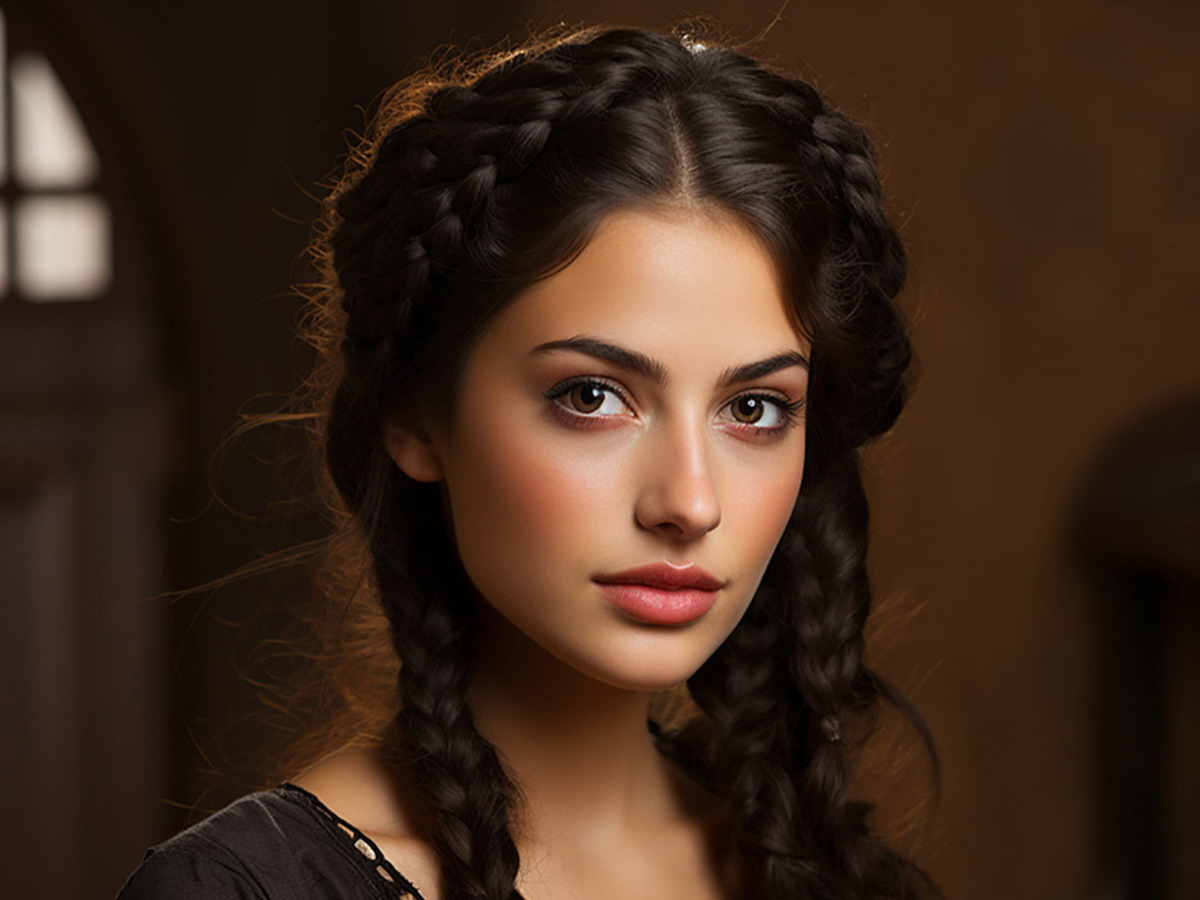
Lebanon showcases glamorous and sophisticated beauty culture. European and Middle Eastern fashion heavily influence Lebanese style. Women embrace elegance and refinement. Beauty highlights confidence and charm. Lebanese culture values polished appearances and bold fashion choices. Glamour reflects heritage and modern trends. High fashion, dramatic makeup and perfectly coiffed hair are all part of the Lebanese beauty ideal. Lebanese women are noted for their immaculate appearance, with particular attention paid to the eyes and lips.
Skin tone is also considered important, with lighter skin tones being favored over darker ones. Hair is another key component of beauty in Lebanon, and women often opt for voluminous, polished styles. Overall, beauty standards in Lebanon focus on creating a bold, luxurious, glamorous look that reflects a sophisticated image.
United States

Based on common beauty standards, the most beautiful woman in America would have symmetrical facial features, clear skin, bright eyes, and a healthy physique. Her hair would be luscious and voluminous, probably swept to one side. Her makeup would enhance her features, especially if she has full lips. If she doesn’t have features that fit these beauty standards, she might “fake” them with makeup or Botox.
In recent years, social media has played a significant role in shaping beauty standards and promoting certain physical features as desirable. Beauty standards in the United States emphasize a slim or toned body. Clear skin remains highly valued. Symmetrical facial features define attractiveness. A strong jawline and high cheekbones are considered desirable. Modern ideals highlight fitness, youth, and confidence. Media reinforces these traits as symbols of beauty. Cultural trends continue shaping perceptions of physical appeal. The promotion of various beauty trends and treatments, such as contouring and cosmetic surgery, has become more prevalent in the U.S.
Armenia

Armenia has a rich cultural heritage, and its beauty standards reflect traditions that go back centuries. The Armenian ideal of beauty emphasizes healthy, glowing skin, with a focus on natural remedies and treatments. Hair is also important, with long, thick, and healthy hair being the ideal, as you can see in this image.
Makeup is usually more natural, focusing on enhancing natural features. While traditional beauty standards remain popular in Armenian culture, Western beauty trends are also making an impact. Overall, beauty in Armenia is all about celebrating natural beauty and maintaining a healthy body, inside and out.
Nepal

Nepalese beauty standards draw influence from religious traditions. Simplicity, modesty, and natural appearance remain highly valued. Clear, blemish-free skin symbolizes purity. Thick, shiny hair reflects vitality and health. Minimal makeup emphasizes authenticity and grace. Natural beauty is prized across Nepal. Dark hair and eyes are admired features. Medium to fair complexions are appreciated. Cultural heritage shapes beauty ideals and identity.
Organic and natural beauty products are also popular in Nepal, with many turning to traditional remedies like turmeric, honey, and lemon to enhance their natural beauty. However, a growing trend toward Western beauty trends in the country’s cities also shapes beauty standards in Nepal, blending traditional and contemporary influences as the country’s society embraces new trends.
Romania’s beauty standards emphasize a classic, polished appearance, withdefinedd simplicity and elegance,with ann emphasis on clear skin and neatly styled hair. Makeup is balanced and natural, highlighting features with a subtle touch of product.
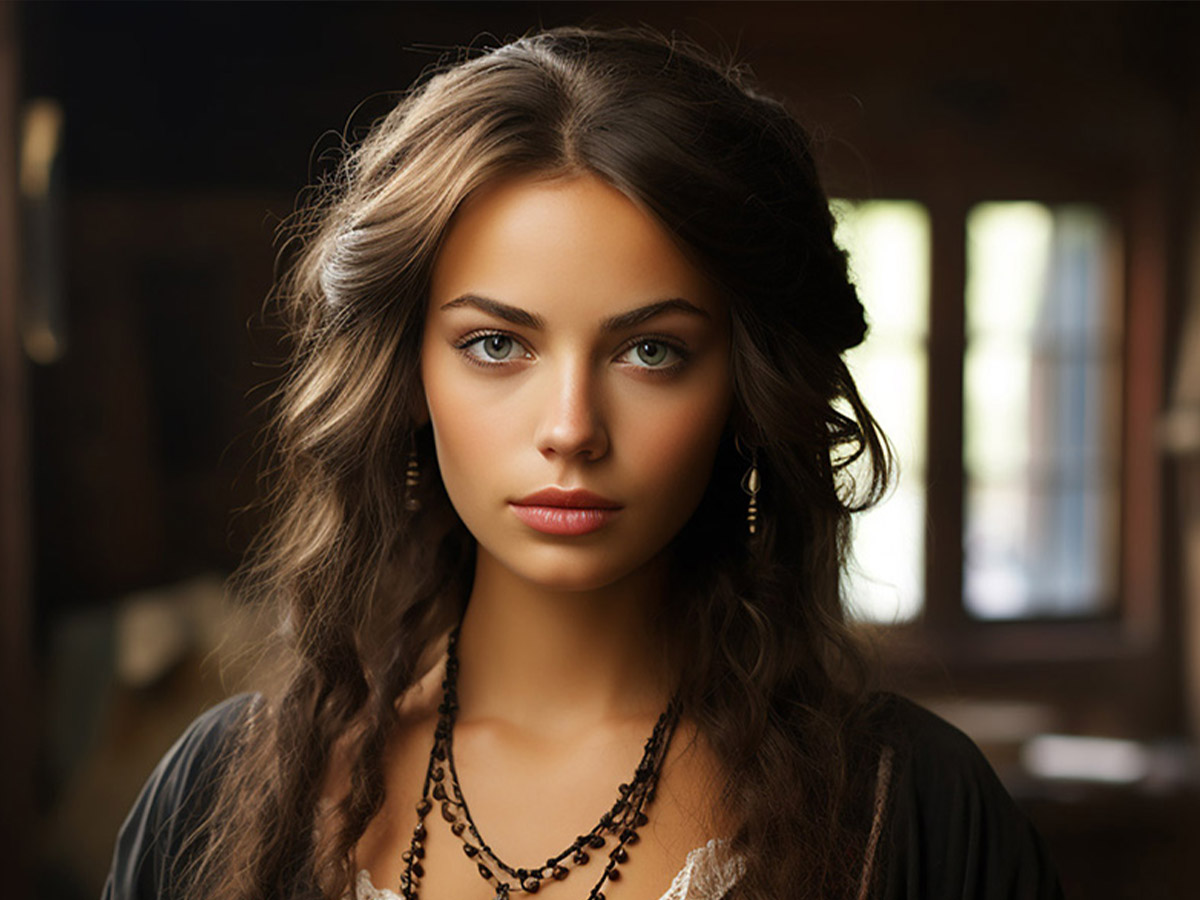
Romania’s beauty standards emphasize a classic, polished appearance, with a refined sencountry’splicity and elegance, and an emphasis on clear skin, groomed Romania’sd neatly styled hair. Makeup is balanced and natural, highlighting features with a subtle touch of product.
While a lean physique is often sought after, there is an increasing trend of embracing curves and natural body shapes. In recent years, interest in organic and all-natural beauty treatments has grown, incorporating locally made oils, teas, and herbs. Overall, Romanian beauty standards prioritize timeless, minimalist aesthetics.
Germany

Beauty standards in Germany are diverse and shaped by historical, cultural, and social factors. Aryan ideals historically influenced German beauty standards. Fair skin, blonde hair, and blue eyes defined attractiveness. Nordic traits symbolized purity and superiority. These ideals shaped perceptions for decades. Modern society widely criticizes and rejects them. Contemporary German culture values diversity and individuality. Beauty now emphasizes authenticity, confidence, and personal expression. Historical associations still serve as reminders of past ideologies.
Today, Germany has a more diverse and inclusive view of beauty, focusing on natural beauty and self-care. German women are known for their love of natural, minimalist beauty looks that emphasize healthy, glowing skin, rather than heavy makeup. Natural, organic skincare and beauty products are also very popular.
Saudi Arabia

Saudi Arabia celebrates modesty and values diverse qualities that define beauty beyond physical appearances. The most beautiful woman from Saudi Arabia could have a natural glow that comes from a healthy lifestyle and a modest dress style that reflects her cultural traditions. She may have a naturally olive skin tone and thick, lustrous hair that frames her face in a flattering way. Beyond physical attributes, her beauty may also come from her intelligence, kindness, and devotion to her family and community.
In Saudi Arabia, qualities such as piety, hospitality, and generosity are valued, and beauty standards are influenced by religion. Beauty standards in Saudi Arabia often value modesty, with women expected to dress conservatively and cover their hair and body in public. Makeup is also popular in Saudi Arabia, with a focus on accentuating the eyes and creating a flawless complexion.
Serbia
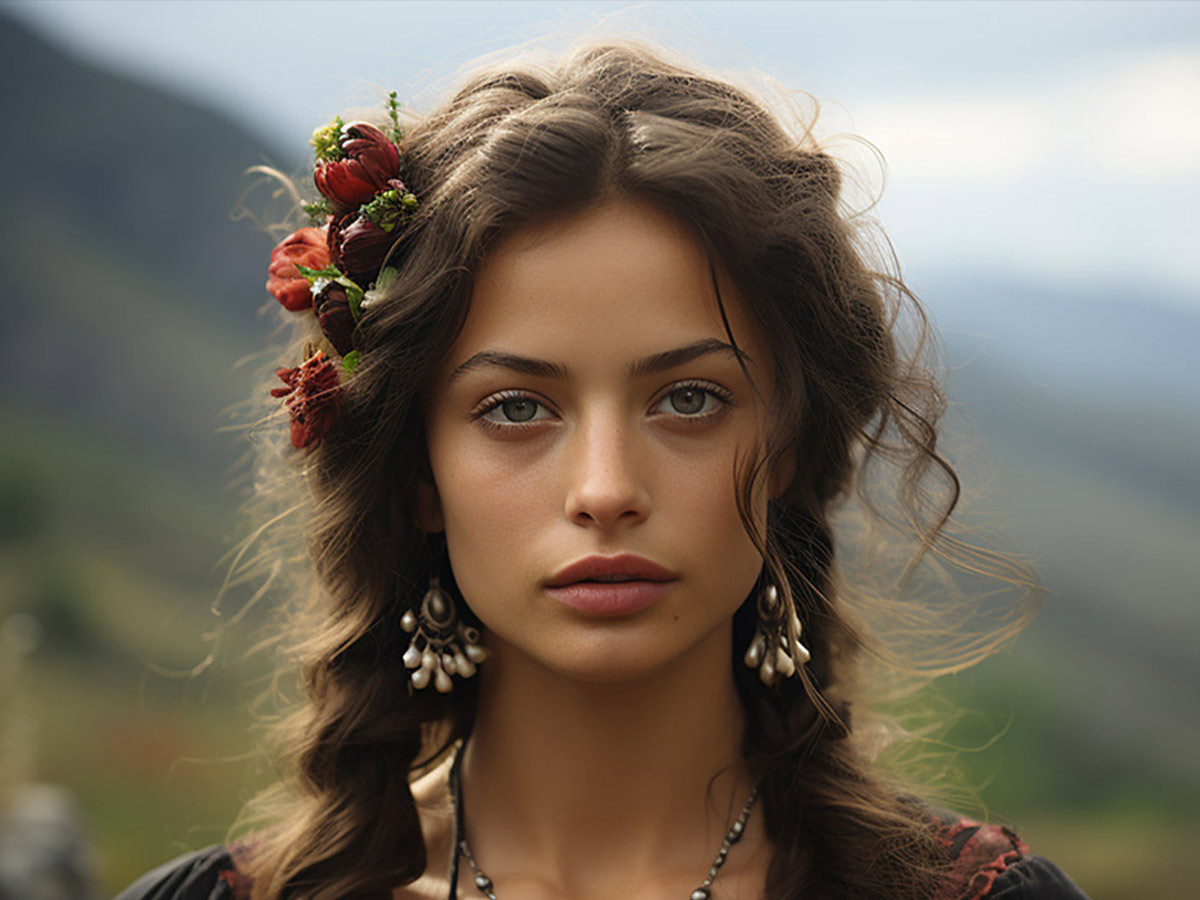
Serbian beauty standards reflect cultural history and diverse influences. Eastern and Western trends shape clothing and style. Natural features remain admired. High cheekbones symbolize elegance and strength. Almond-shaped eyes highlight charm and allure. Emphasizing these traits is paramount in Serbian culture. Beauty reflects tradition, individuality, and confidence. Fashion choices showcase heritage and modern appeal. Together, these traits define Serbia’s celebrated beauty.
Skin and hair care are considered important for maintaining health and beauty, reflecting Serbia’s Strong emphasis on a healthy complexion. In terms of makeup, the Serbian beauty ideal blends natural and glamorous, with a preference for enhancing features rather than applying heavy layers of cosmetics.cs Overall, Serbian beauty standards prioritize health, natural beauty, and a touch of glamor.
United Kingdom

The most beautiful woman from England would likely have an elegant, refined appearance, with a clear, smooth complexion. Her hair may be a classic shade of brown or blonde, styled in a sleek, sophisticated manner. Her eyes would be bright and expressive, with a gaze that exudes confidence and intelligence. Her features would be symmetrical and proportionate, with a subtle hint of natural charm in her smile.
The beauty standard in the UK often values poise and grace, with a confident, approachable demeanor that draws others in. She may wear a touch of makeup, focusing on enhancing her features without looking overly done up. While UK women don’t always have that natural, effortless look, their style often balances work and play.
Ethiopia

Ethiopian beauty standards focus on natural, healthy-looking features and emphasize strong African features. Dark skin is highly desirable, and women often use natural oils to enhance their complexion. Ethiopian traditional hairstyles involve intricate patterns and designs, sometimes featuring bright colors or beads to draw attention to the hair.
Ethiopian beauty celebrates unique face shapes. Prominent cheekbones and pointed chins symbolize elegance. Makeup and clothing accentuate strong features. Women embrace natural beauty with confidence. Full lips, wide noses, and large eyes remain admired traits. Culture values authenticity and individuality. Beauty reflects heritage and pride. Distinct features define Ethiopia’s celebration of attractiveness.
Every country has its own source of beauty. Some of these incredible faces are from Ethiopia; others are from all over the world.


