




A Giorgia Meloni AI photo sparks global concern after spreading rapidly online. The fake lingerie image fooled thousands before the truth emerged. Meanwhile, the Italian Prime Minister fires back with sharp sarcasm and a serious warning.
Italian Prime Minister Giorgia Meloni speaks out after AI-generated deepfake images of her go viral on social media. The fake lingerie photo spreads quickly, and the incident sparks global concern over how artificial intelligence can spread misinformation and target public figures online.
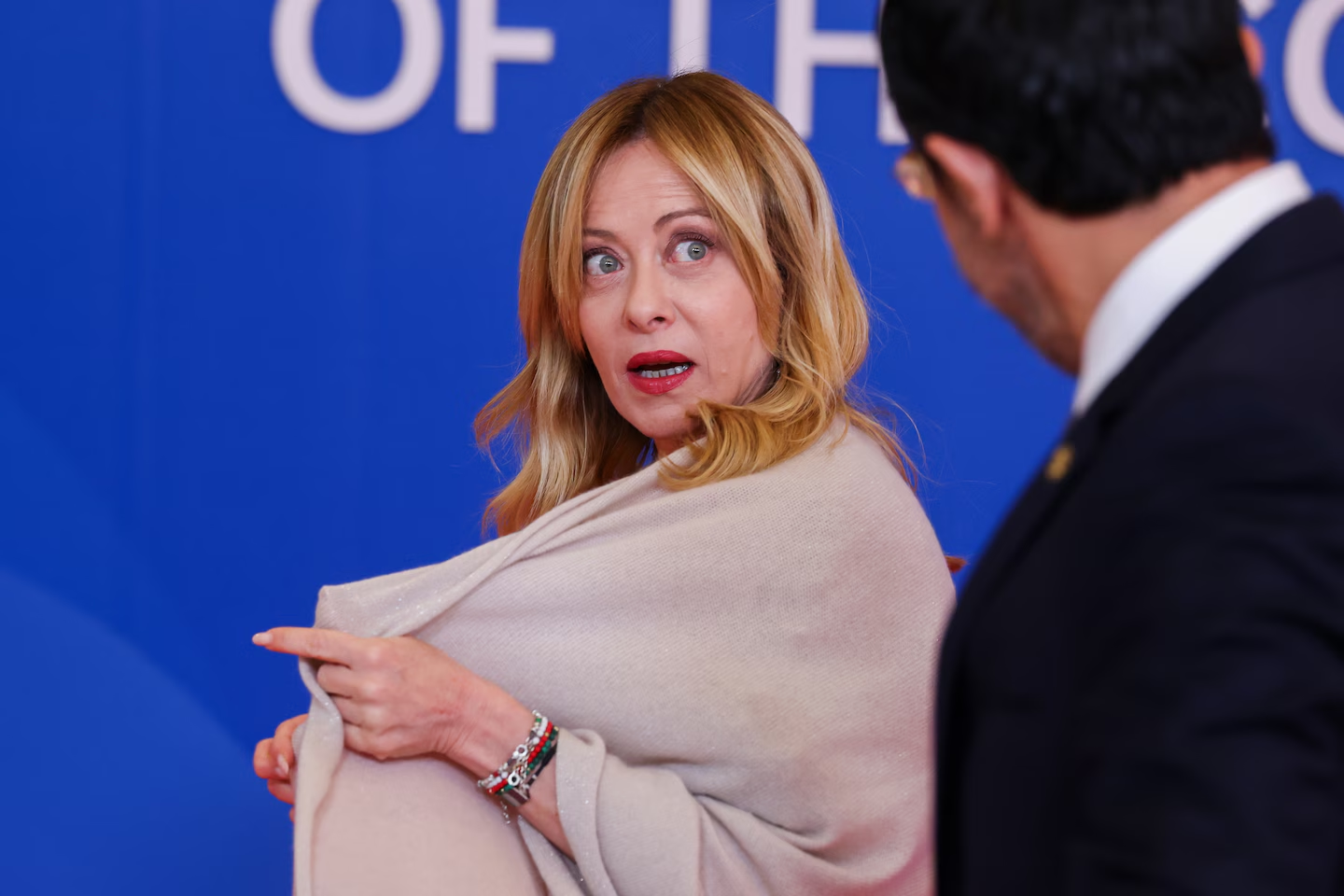
Instead of ignoring the controversy, Meloni directly addresses it on social media. In her statement, she calls deepfakes a “dangerous tool” that can manipulate people, damage reputations, and spread false narratives. She also warns users to verify information before sharing anything online.
Girano in questi giorni diverse mie foto false, generate con l’intelligenza artificiale e spacciate per vere da qualche solerte oppositore.
— Giorgia Meloni (@GiorgiaMeloni) May 5, 2026
Devo riconoscere che chi le ha realizzate, almeno nel caso in allegato, mi ha anche migliorata parecchio. Ma resta il fatto che, pur di… pic.twitter.com/or44qru2qj
What catches people’s attention, however, is the way she mixes seriousness with sarcasm. Meloni jokingly remarks that whoever created the fake image had “improved” her appearance. The comment quickly goes viral online, and many users call her response calm, confident, and sharp.
At the same time, the Italian leader stresses that the issue goes far beyond politics or personal attacks. She points out that while she has a public platform to defend herself, many ordinary people targeted by deepfakes may not have the same protection or visibility. Her statement resonates strongly online as concerns around AI-generated misinformation continue to grow worldwide.
The controversy also reignites debates around AI regulation and online safety. Over the past few years, deepfake technology has become increasingly advanced, making it harder for people to distinguish real content from fabricated visuals. Experts repeatedly warn that such technology can enable harassment, scams, political propaganda, and cyberbullying.
Many social media users support Meloni’s response and appreciate her decision to openly discuss the dangers of deepfakes rather than treating the incident as simple trolling. However, others point out how rapidly fake content spreads online today, especially when it involves celebrities or politicians.
The viral episode now stands as another reminder of how powerful — and potentially dangerous — artificial intelligence can become when used irresponsibly. Furthermore, as Meloni herself warns, what happened to a world leader today could easily happen to anyone tomorrow. Therefore, users must stay vigilant and verify before they share. Finally, the fight against deepfakes starts with awareness and accountability.


