




The festival of Baisakhi is celebrated with great fanfare in Punjab, but on this day in the year 1919, such a painful incident took place, which is still remembered in the black pages of history. On April 13, 1919, the British fired on unarmed innocents with bullets in Jallianwala Bagh, located a short distance from the Golden Temple in Amritsar, Punjab.
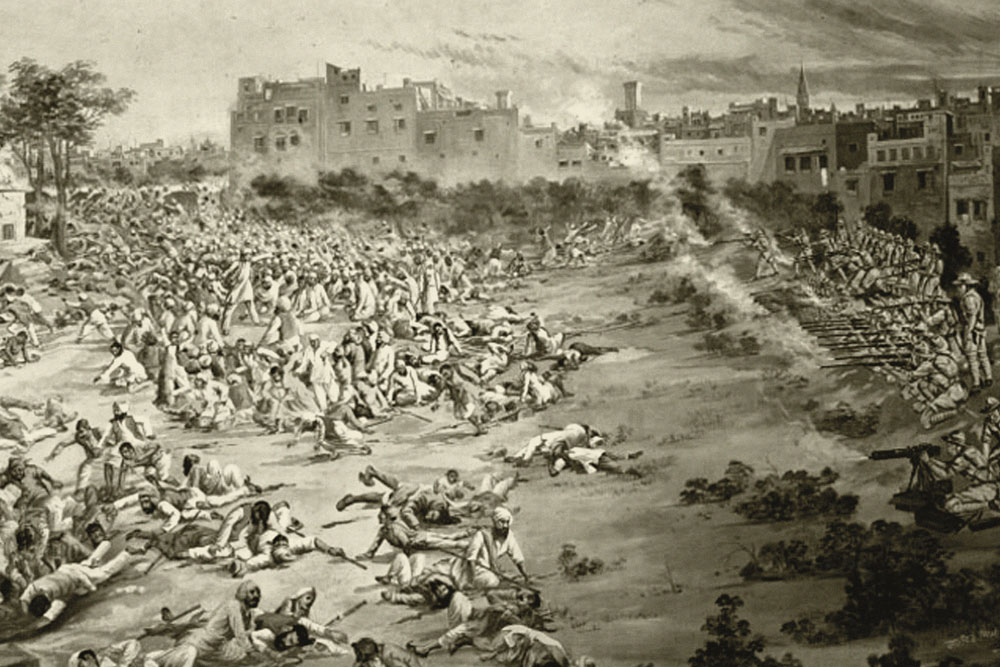
The only fault of these innocent people was opposing British rule. Today marks 104 years since the Jallianwala Bagh Massacre, yet the memory still sends shivers down the spine. But why did the British commit this atrocity on that day? Let’s explore the story behind this dreadful act.
Opposition to the Rowlatt Act and then the massacre
In 1919, the British carried out the Jallianwala Bagh massacre. They were alarmed by India’s growing independence movement, especially in Punjab. Just a month earlier, on March 8, they passed the Rowlatt Act. This law aimed to suppress the voice of Indians and curb protests. Consequently, tensions were running high across the region.
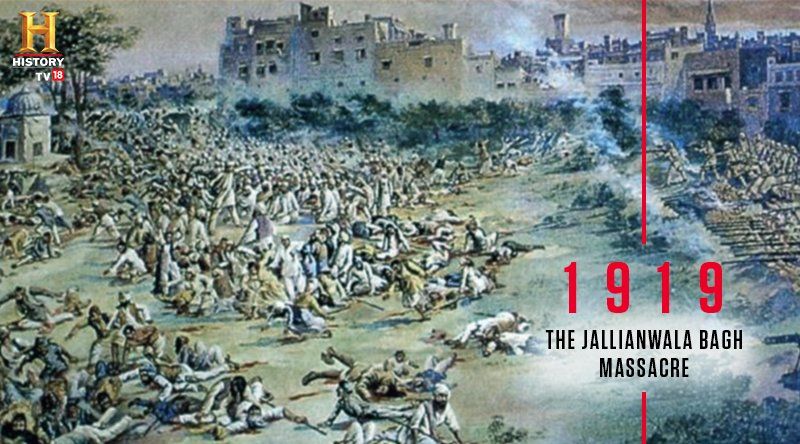
The Rowlatt Act allowed the British to arrest any Indian at any time without a trial. In protest, Punjab leaders Dr. Satyapal and Kitchlu spoke out on April 9. Consequently, the administration arrested them and sentenced them to Kalapani. Their arrest fueled anger and unrest across the region.
On April 10, the arrest of the leaders led to massive protests in Punjab. To quell the protests, the British government imposed martial law. People were prevented from gathering through this law.
Black Day
Martial law was in place in Punjab, but every year on April 13, a fair took place at Jallianwala Bagh during Baisakhi. Thousands of people, including children, gathered to attend. At the same time, some leaders held a meeting to protest the Rowlatt Act and the arrest of other leaders.
While a leader spoke against the arrests, General Reginald Dyer suddenly entered the garden with armed soldiers through narrow lanes. He blocked the only exit. Immediately, Dyer ordered his men to fire on the crowd. As a result, thousands of people were killed, and no one could escape.
A pile of dead bodies in the well
The British soldiers did not spare anyone, be it an adult or a child. Bullets were fired continuously for 15 minutes, and more than 1600 rounds were fired. To avoid this firing, people started jumping into a well there. The well was so deep that no one could escape, and soon the well was filled with dead bodies.
The number of dead is not known to date
Hundreds of people had lost their lives in the Jallianwala Bagh massacre, but its actual figure could not be ascertained to date. According to the then-British government, 120 people fell into the well, and 484 died due to the firing in this massacre. At the same time, Madan Mohan Malviya, a prominent leader of that era, said that more than 1300 people were killed in this incident.
Bullet marks are still present today
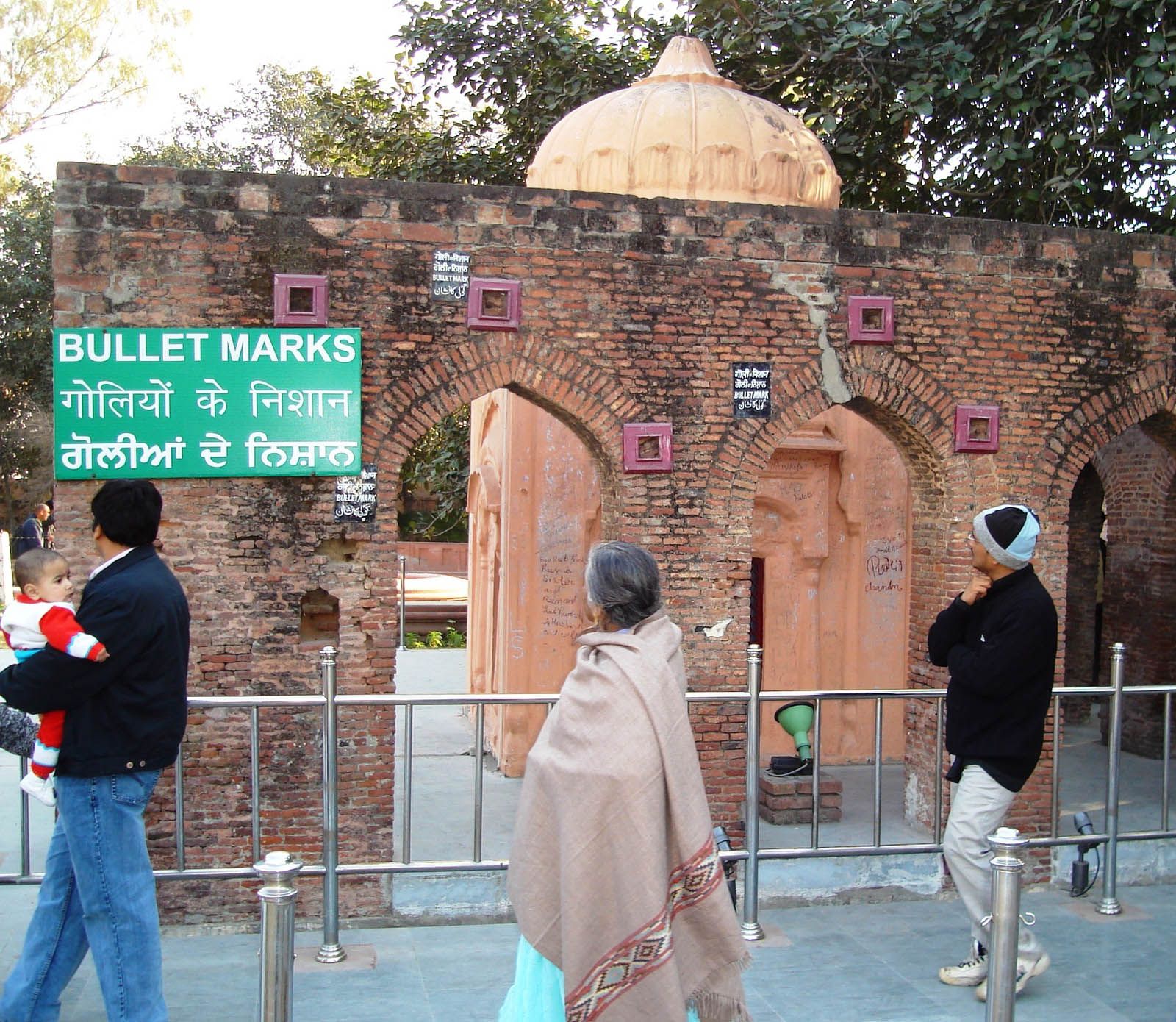
It has been 104 years since the Jallianwala Bagh massacre, but the wounds of this terrible act of the British government are still present on the walls there. When fired upon by the British soldiers, many bullets entered the walls. Traces of these bullets have been preserved even today. In the memorial built there, 3 galleries dedicated to the martyrs have also been made, in which their statues are installed.
Britain has not apologized to date, and the Queen expressed grief
To date, no apology or sorrow has been expressed by Britain regarding the Jallianwala incident. However, Queen Elizabeth II, who visited India in 1997, expressed her sorrow by calling the scandal disturbing. In fact, the Queen herself had visited the Jallianwala Bagh Memorial and paid homage to the victims.


