




From shampoo to gravity, India is home to numerous valuable discoveries that revolutionized the world we live in today. Over the years, our humble nation has made significant discoveries in the fields of science and mathematics. But you’d be surprised to know that some of the now widely popular discoveries and inventions that sound Western find their roots in ancient India. To help you get a sense of how incredible our country is, we list 15 Famous inventions and discoveries of India that have helped humanity.
Cataract Surgery

A frequent but unpleasant medical condition that plagues older people is cataract, i.e., clouding of the eye lens. The great Indian physician Sushruta is credited with performing the earliest Cataract Surgeries in history, way back in the 1st millennium BCE.
He used to perform this surgery with a special tool called ‘Jabamukhi Salaka’, which looks more like a curved needle. He only recommended this procedure when necessary cause it was a risky affair back in those days. The surgery was a matter of interest to various international scientists and philosophers who used to visit India for it. China, too, adopted this procedure from India.
Shampoo

Champu, derived from Chapyathi (Sanskrit for knead), is a Hindi word that influenced the term shampoo. But did you know that Nanak originally devised this everyday toiletry, still used worldwide, in the 16th century? He referenced the use of natural ingredients such as gooseberry, soapberry, and hibiscus to wash and cleanse hair. The word shampoo entered the English language from the Indian subcontinent during the colonial era.
The British introduced the concept of shampoo from India and spread it worldwide. Shampoo definitely remains one of the most incredible discoveries of ancient India. Next time you shampoo, you’ll know who to thank!
Plastic Surgery / Cosmetic Surgery
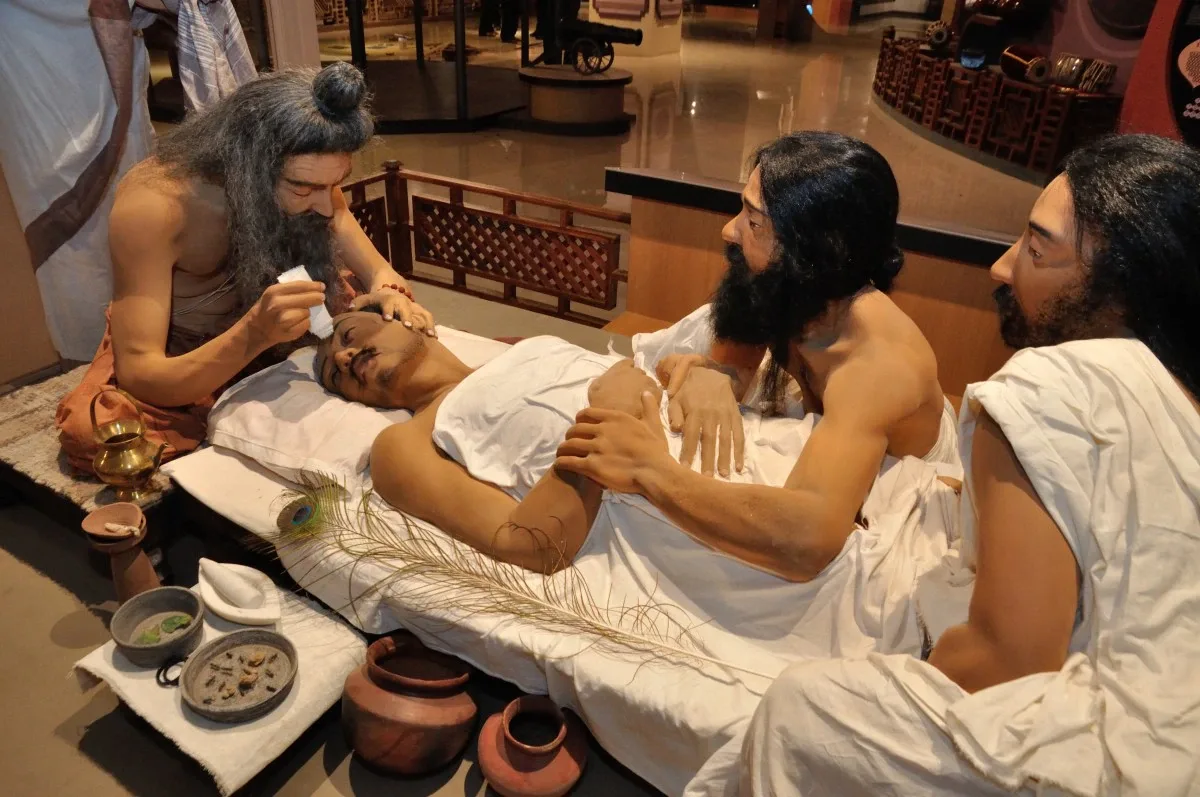
Hollywood and Bollywood celebs are no strangers to cosmetic surgical procedures, inspiring many to go under the knife to achieve what they weren’t gifted with naturally. But you’d be mind-blown to learn that reconstructive surgical techniques were also used by Sushruta in 800 BC. During that time, there was a practice of punishing criminals by deforming their faces, and it’s widely believed that this rather cruel practice led to the development and improvisation of plastic surgery techniques by Sushruta, who used it to reform their mutilated faces.
Diamond Mining

While Marilyn Monroe may have made diamonds every girl’s best friend, not many know that these precious gems first came to be in the 4th century, all thanks to India! Diamond mining in India dates back to some 5,000 years, way before the rest of the world. India remained the world’s only producer of diamonds until the 18th century. Ancient Indian scriptures from the 3rd century onward describe a precious stone that later came to be known as a diamond. India exported this precious form of carbon worldwide until many years later, when diamond mines were discovered elsewhere. It goes without saying that diamonds remain one of the most incredible (and sparkling) discoveries of ancient India.
Zero
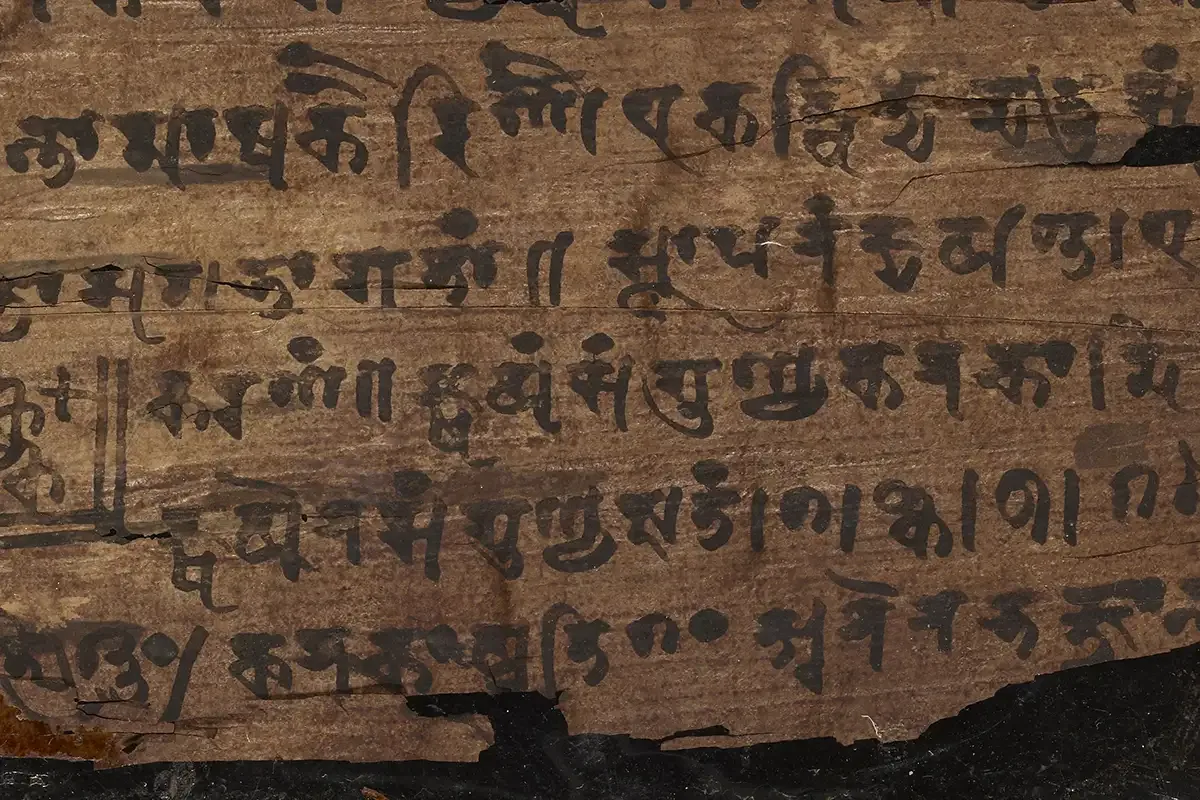
Mathematics, though frequently loathed, plays a vital role in our lives. It’s said that even insects use math for existence. And surprisingly, math wouldn’t exist without zero. The concept of zero emerged in India in the 5th century. Before this discovery, mathematicians couldn’t perform even the simplest arithmetic. Zero allows one to perform a variety of mathematical functions, and India is to be thanked for it. Another important fact related to zero, dating back to ancient India, is the discovery of the symbol of zero (0) by Aryabhata.
Yoga
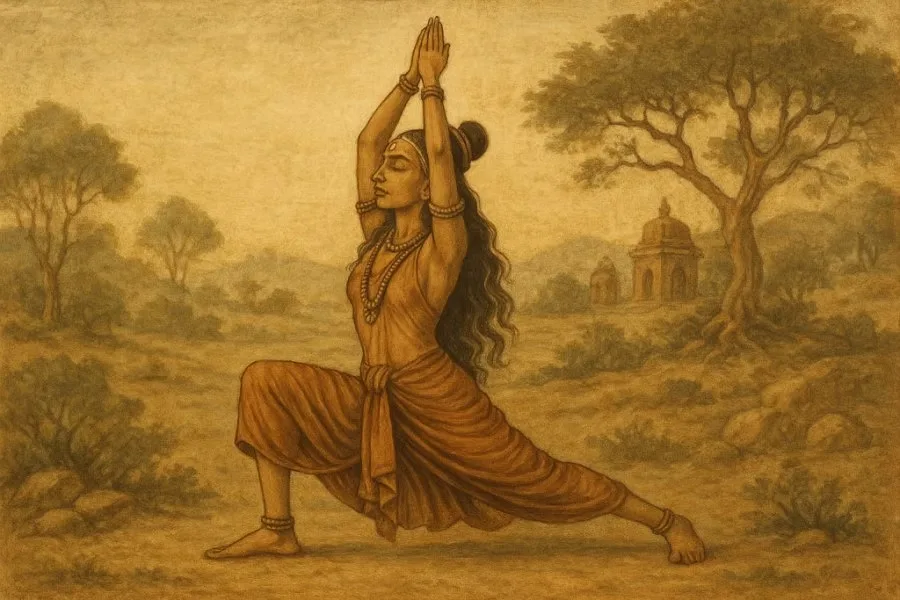
Well, this one is a no-brainer as Yoga is recognized worldwide as quintessentially Indian, but the story behind it is interesting nonetheless. The practice of Yoga dates back many a thousand years to ancient India, and Lord Shiva is seen as the first Yogi. Yuj is the Sanskrit root of Yoga, meaning ‘to unite’. So, Yoga focuses on uniting the mind with the body. This practice is universally accepted and aims to overcome all kinds of suffering, both physical and mental. Yoga is often considered a substitute for working out and remains one of India’s most incredible and popular discoveries.
Gravity
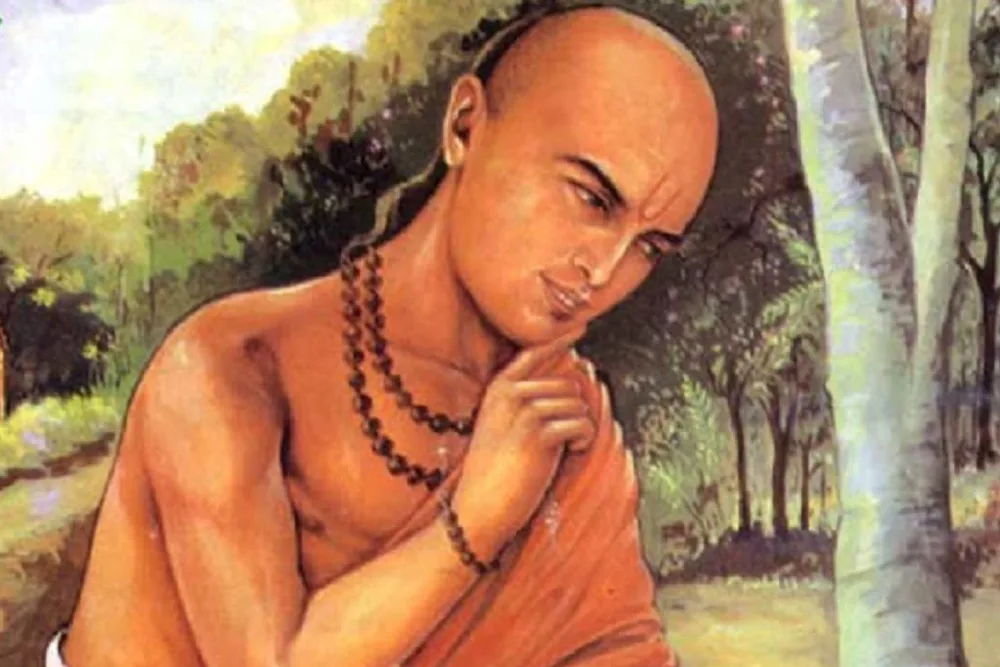
Who discovered gravity? No! It wasn’t Newton. It was Aryabhata who first proposed the idea of gravity, and then came Newton, who formulated the Laws of Gravity. Aryabhata explained why objects do not fall when the Earth rotates and developed a model of the solar system, explaining why the planets spin on their axis. Bet you didn’t know that!
Ruler

Another significant discovery of India is a measuring Ruler, or what is often referred to as a scale. Rulers may seem ordinary, but they are of great importance for engineering and geometry to measure distances and draw straight lines. The use of rulers dates back to 1,500 BC, and it was the people of the Indus Valley civilization who devised this tool. The rulers of ancient times were made of ivory and had decimal subdivisions.
Wireless Communication
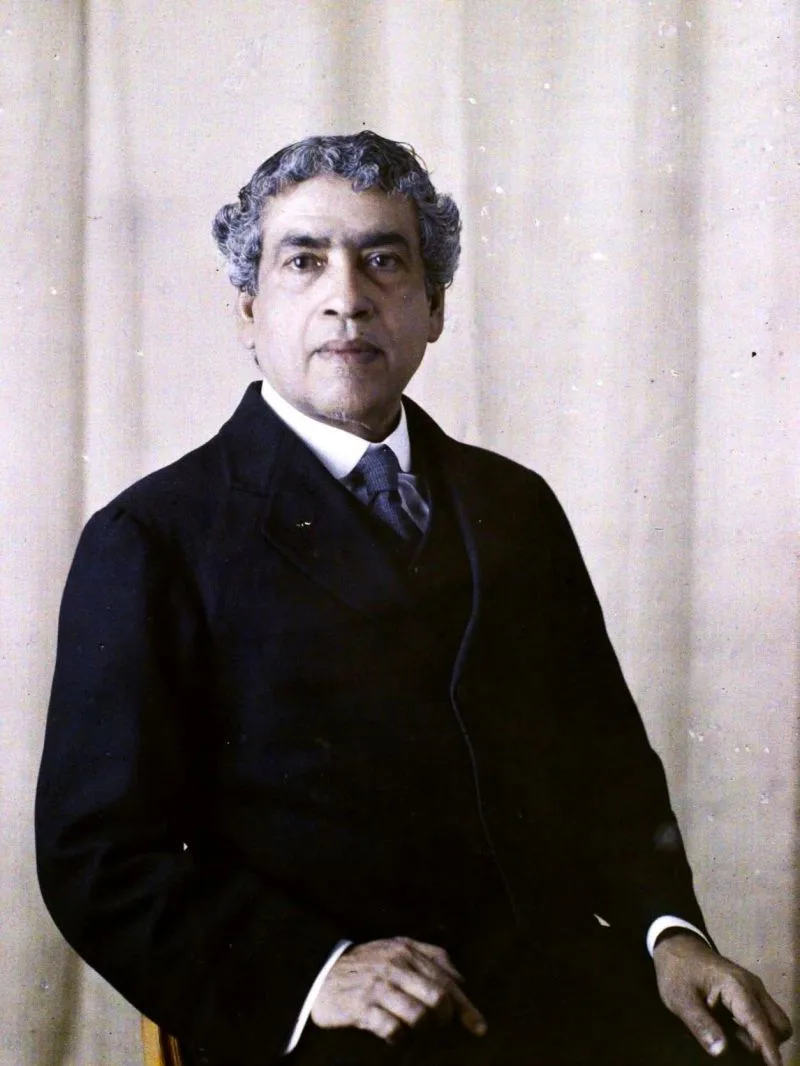
A day without WIFI is a day of pure agony. But few know that Wi-Fi wouldn’t exist if it weren’t for the discovery of radio waves. Sir Jagdish Chandra Bose, a renowned Indian scientist, first proposed using radio waves for telegraphy in 1909. Sir Jagdish Chandra Bose was responsible for many scientific discoveries and received widespread recognition for his inventions. The discovery of radio waves for communication revolutionized how we communicate today and unquestionably ranks among the most incredible discoveries of India.
Cotton Cultivation

There’s nothing really that matches the warmth of a loose-fitting cotton t-shirt during the scorching heat of the typical Indian summer. Well, you’d be surprised to know that Indians were also among the earliest cultivators of cotton. In the latest archaeological finds in Mehrgarh (now in Pakistan), it was found that early cotton Cultivation in the subcontinent dates back to 5000 BCE. The Indus Valley civilization began cultivating cotton around 3000 BCE.
Decimal System

As much as we hate maths, it turns out our ancestors in India taught the rest of the world how to count. The Hindu numeral system is a positional decimal numeral system and is now the most common symbolic representation of numbers in the world. The system was developed between the 1st and 4th centuries by Indian Mathematicians and was adopted by Arabs by the 9th century (which is why it’s also called the Hindu-Arabic numeral system)
Binary Code

Do you love wasting your day away surfing the web as much as we do? If yes, you have the Indian scholar named Pingala to thank. Back in the 2nd century BC, Pingala developed a binary system to describe Prosody (the study of meter in poetry). He used binary numbers in terms of short and long syllables, known as light and heavy, respectively.
Fibonacci numbers

Even though they are widely credited to the Italian mathematician Fibonacci, Fibonacci numbers were described much earlier by an Indian scholar. Pingala, who was active during 2/3 BCE, described the Fibonacci sequence in his work as matrameru.
Ink
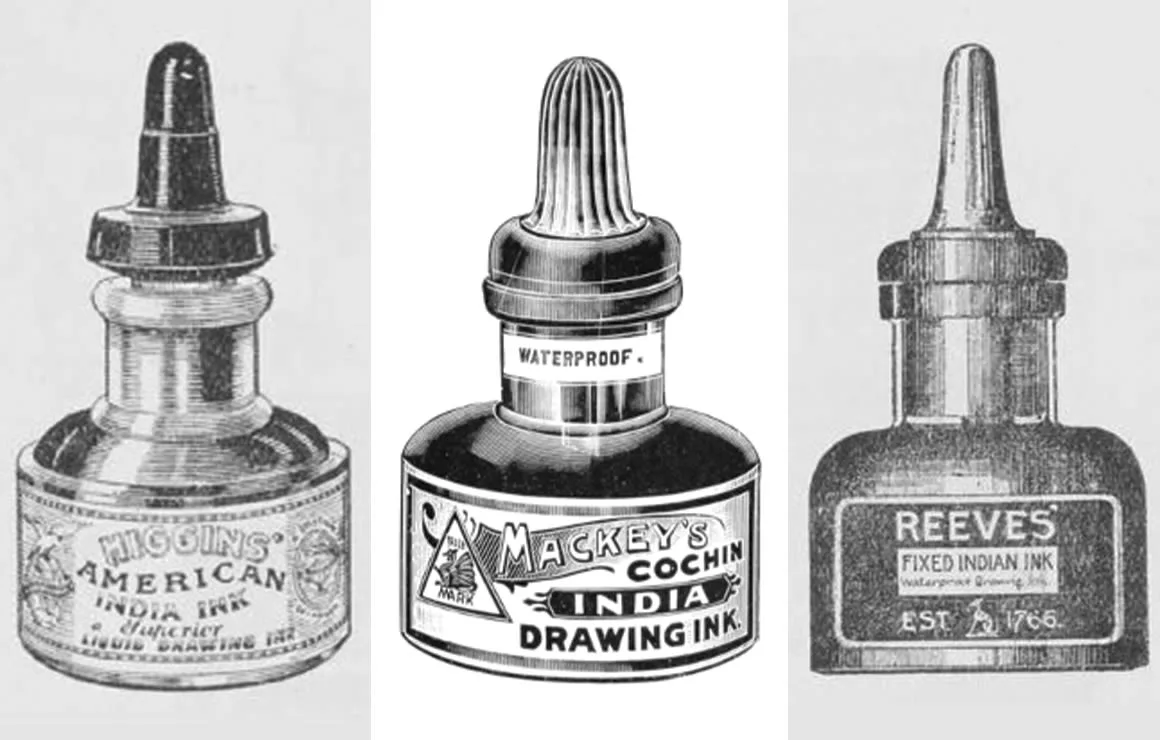
Most ancient civilizations and cultures developed their own versions of ink independently. In South India, much was written with a needle dipped in ink. Many Jain and Buddhist Sutras have been compiled and written in ink.
Fiber Optics

Fast internet has made things better for all of us. We can now stream our favorite shows online, watch our favorite content makers on the various social media platforms, and even learn new skills like cooking and playing a new instrument! And for that, we have, of course, many inventors, engineers, and scientists to thank. When it comes to fiber optics, a technology that delivers super-fast internet to your home, we have to thank Narinder Singh Kapany. He is known as the “father of fiber optics.” He was even featured among the seven “Unsung heroes” by Fortune magazine.
These inventions and discoveries from India demonstrate how ancient Indian scholars were far ahead of their time. From mathematics and medicine to games and everyday products, India’s contributions have profoundly influenced global civilization.
India’s legacy reminds us that innovation has always been part of our cultural DNA — shaping not just a nation, but the entire world.


