




These are the best movies about social media that show how apps shape our daily lives and how we talk to each other. Social platforms affect news, friendships, and even how we see ourselves. These films reflect real habits we all recognize, from scrolling at night to sharing every moment.
At the same time, the best movies about social media explore darker ideas and future risks. They imagine how online life may grow more powerful or more dangerous. Through drama and tension, these films ask how far social media should go.
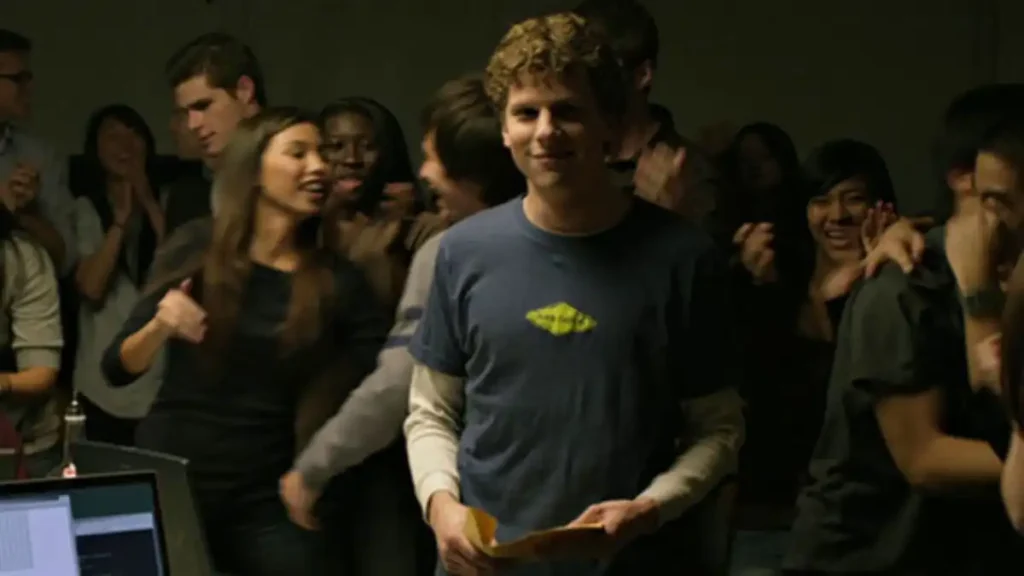
“The Social Network” (a biographical drama about the founding of Facebook). From the personal case to legal proceedings, Mark Zuckerberg and his partners, Edward Savarin, as well as the Winklevoss twins. Not only does the show delve into themes of friendship, ambition, and betrayal, but it shines a light on how the breakneck speed at which Facebook took off drastically altered personal relationships (and helped to set in motion several ways technology would rewire society). Directed by David Fincher and written by Aaron Sorkin, it offers an intricate look at the people who gave us one of the most life-changing social networks on earth.
Unfriended (2014)
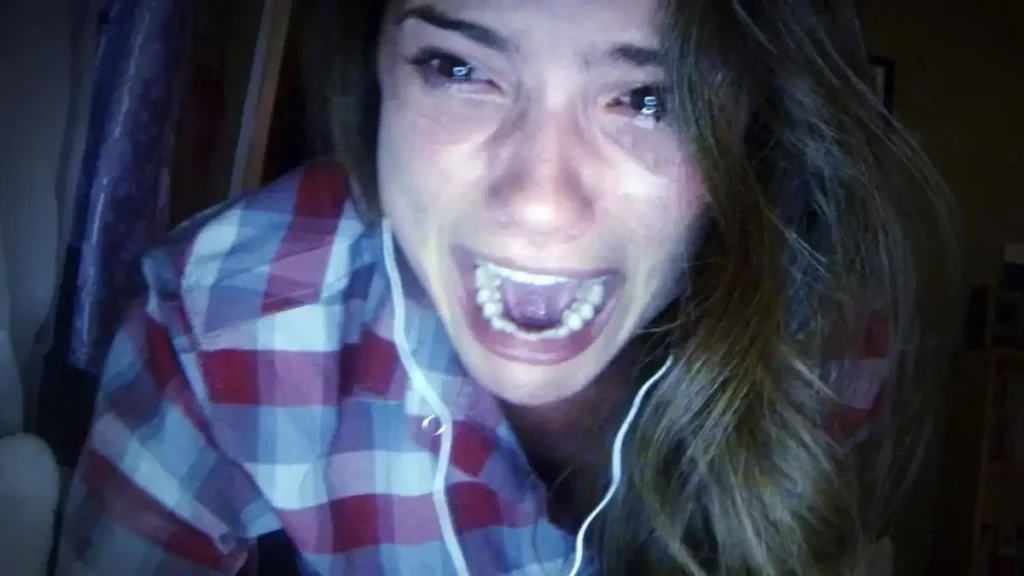
This innovative horror flick takes place entirely on a computer screen, chronicling the video chat of one group of friends that becomes deadly when an evil spirit latches onto their call. Set in real time and using social media, instant messaging, and video calls to build suspense. The movie investigates cyberbullying and its ramifications, guilt as well as vengeance; it highlights the implications of online behavior, plus the chilling pestering dynamism about past acts during a time dominated by digital presence.
The Great Hack (2019)
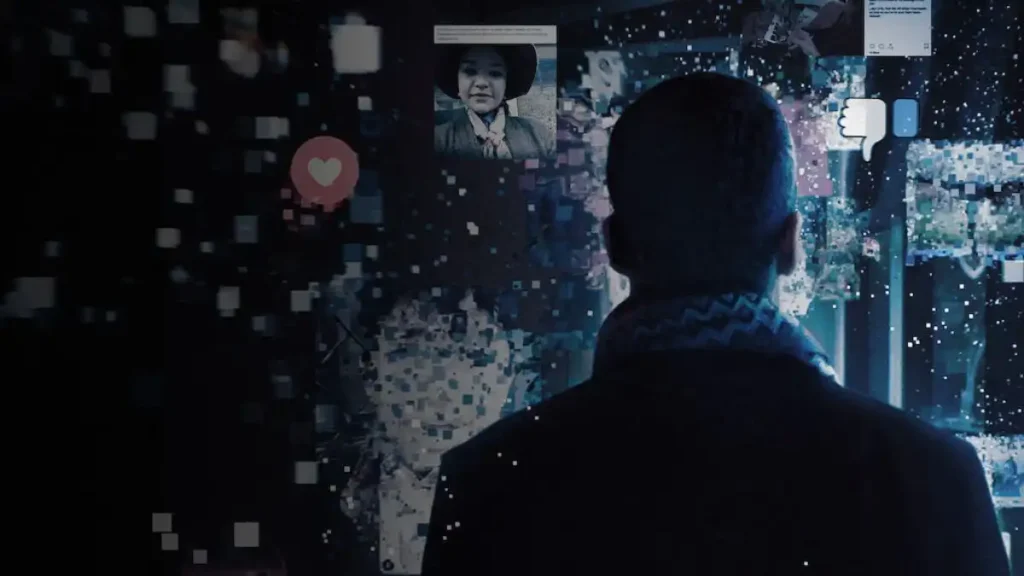
The Big Tech Nightmare filmmaker Karim Amer once again gives us a bleak picture of Facebook and its influence, this time in collaboration with directors Jehane Noujaim and Erin Case on the Netflix documentary series The Great Hack. The Great Hack weaves a remarkably gripping and complex tale of technology, democracy, and data, featuring uncanny real-life characters such as Brittany Kaiser, to question ideals like ethical use (100:38).
Eighth Grade (2018)

A coming-of-age film in which an introverted 13-year-old girl, Kayla, tries to survive the last week at her bleak middle school. Desperados introduces audiences to the worries, routines, and fears that come hand in hand with being a teenager growing up in a world of social media through Kayla. The series takes a look at how teenagers today use social media, namely YouTube and Instagram, to try to establish an identity in the digital arena, but it proves devastating more often than not!
Searching (2018)
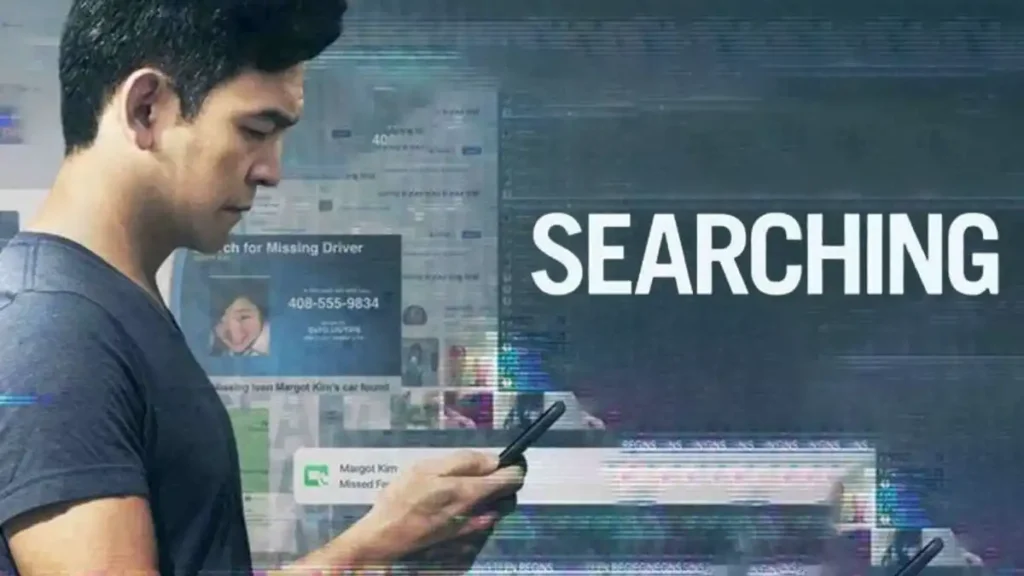
Searching is a movie starring John Cho, Debra Messing, and Joseph Lee. David Kim is a dad whose daughter goes missing, and he winds up digging through her digital life to track down what happened. Through digital interfaces, the film itself memorably devolves back into Scooby Doo mode: not simply concealing its truths but displaying them with gizmos galore. The film only ends up reaccentuating the bittersweet twister of social media being a double-edged scalpel that connects and is dangerous.
Nerve (2016)
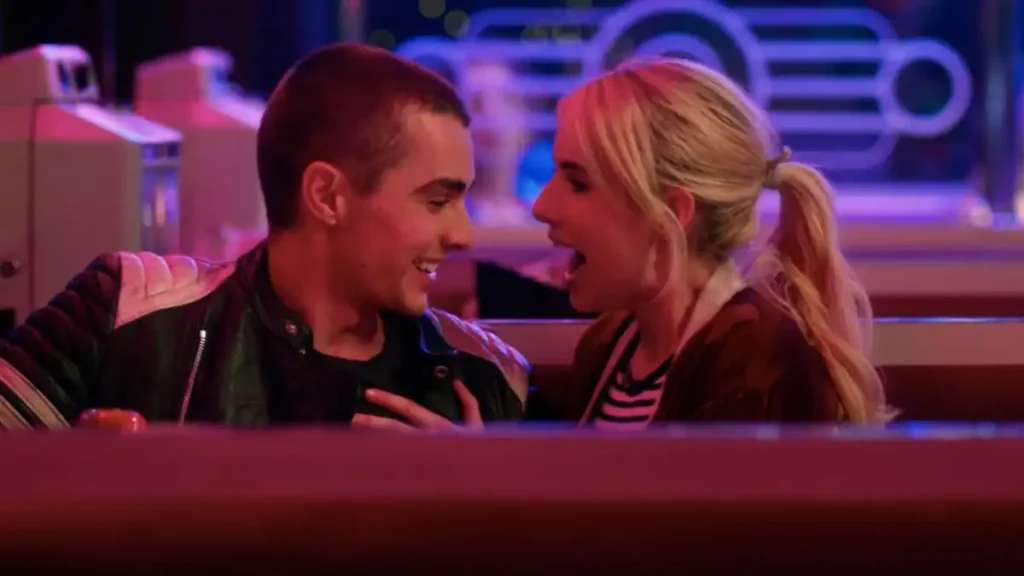
In Nerve, high school senior Vee joins an online game that challenges players to complete stunts and awards big cash prizes or death. The stakes of the dares grow more dire, and themes such as voyeurism are explored in other scenes, with consideration of how social media keeps people addicted to thrills. By way of storyline, there are criticisms over the lack of privacy and the addictive nature of online fame, reminding us that living for the digital spotlight is not good.
Catfish (2010)
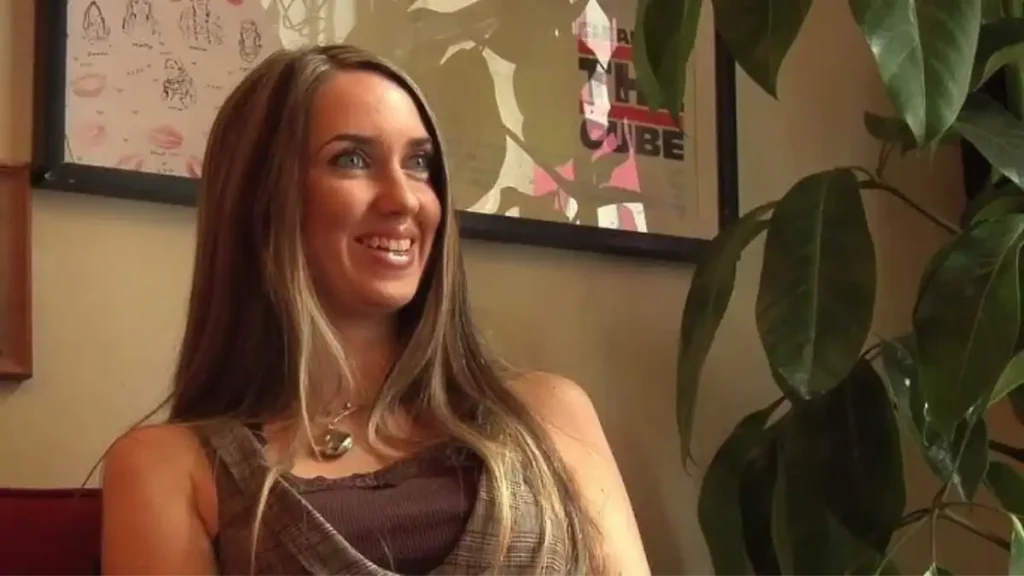
A documentary following Nev Schulman as he crosses the country to meet a woman with whom he developed an online relationship, only to realize that she may not be who she says, and also be more involved in his life than ever before. Catfish follows the theme of “catfishing,” which typically involves one person posing as someone else online and creating an entirely false identity. This suggests that authenticity, trust, and pretense are as much a theme here as in the full film, even though this is only the trailer.
Ingrid Goes West (2017)
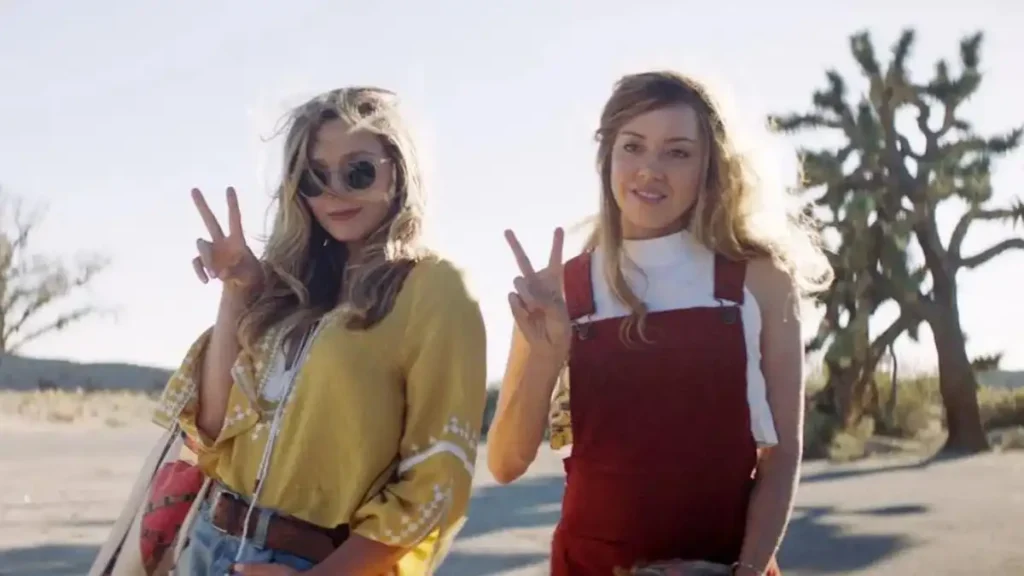
A twisted dark comedy about the pursuit of a social media celebrity by an obsessed Ingrid Thorburn, a young woman in “Ingrid Goes West.” As Ingrid’s obsession deepens, the film examines how reality and online facades can blur into one another. It satirizes the superficiality of social media celebrity and just how far individuals will go to get some ridiculous, outside, validation relationship.
Disconnect (2012)

“Disconnect” is an ensemble drama in which the Internet, phone, and TV are projected as serial killers running loose. The film delves into the world of cyberbullying and identity theft, to online sex work offers a snapshot of life-in-isolation amid technology —as well as proves just how disconnected we truly are. And it says, you know what one thing is important when all of the world now lies behind screens?
The Circle (2017)
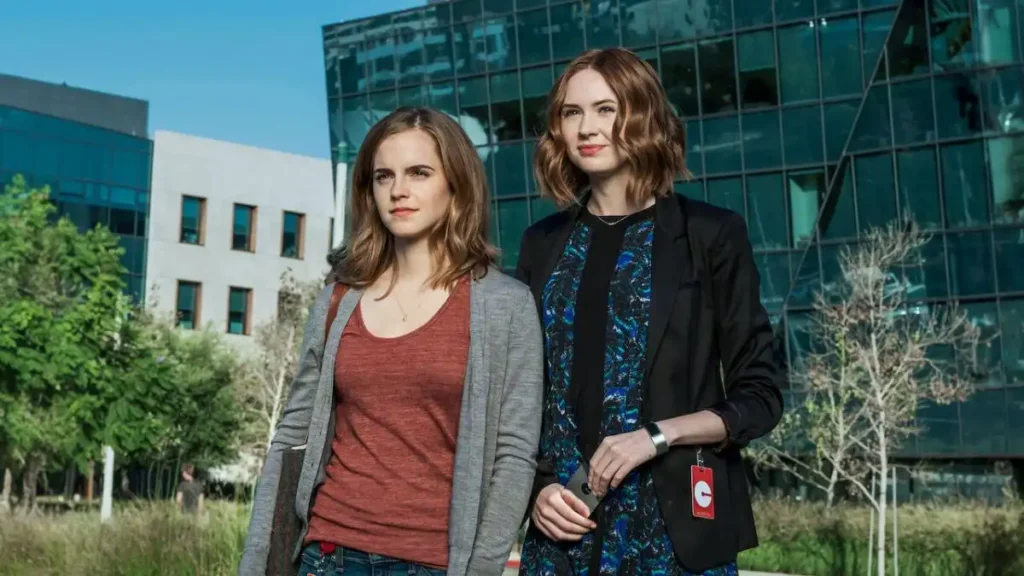
Adapted from Dave Eggers’ book, The Circle envisions a future in which the world’s largest tech company advocates for 24/7 transparency at the cost of privacy. As the eponymous Mae Holland (Emma Watson) gets sucked into this creepier-than-Creepyville conglomerate and all of its invasive endeavors, it opens up some pretty big moral quandaries. It relies heavily on the surveillance culture of our world and, in a few other ways as well, beyond the general conspiracy behind it, discusses how far this can go with technology in everyone’s pocket.
Friend Request (2016)
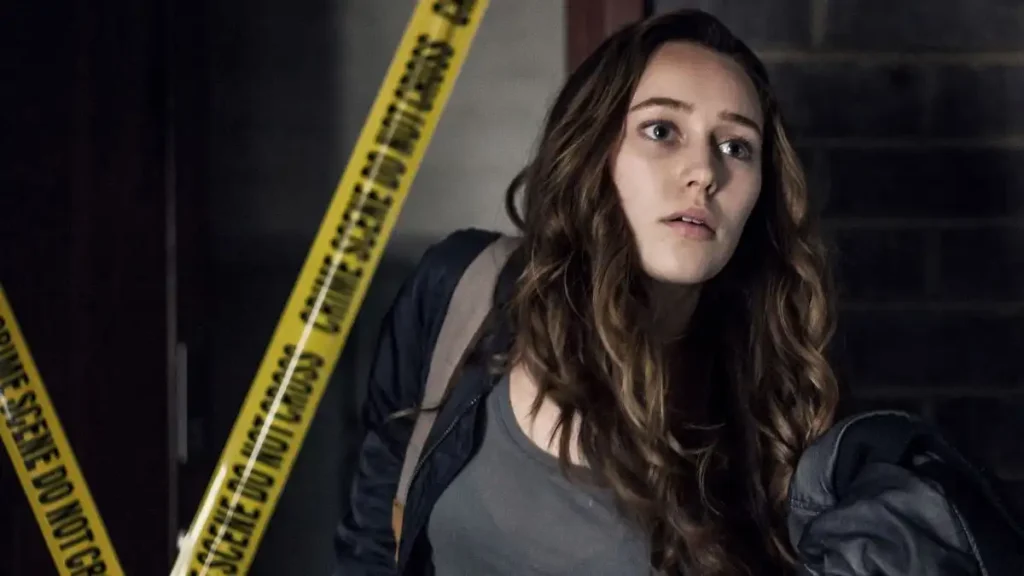
The movie really illustrates the horrors of social media and how our interactions online can be ghastly; it displays the vengeful side of experience in a digital age.
Trust (2010)
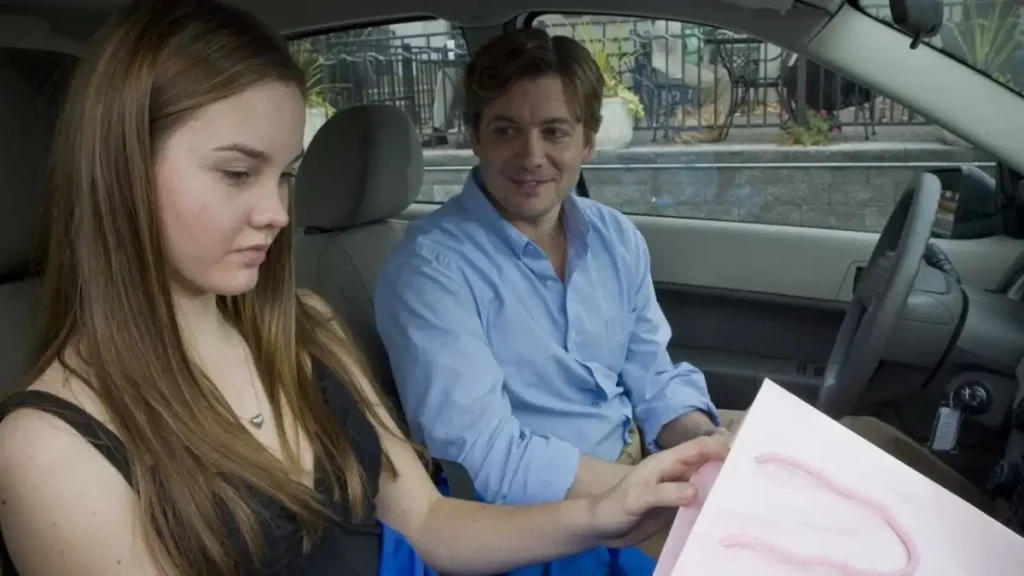
Trust is a drama that revolves around the lives of Annie, who was raped by someone posing as her online friend. The film focuses on the impact of betrayal, especially emotionally, and offers a lesson about online safety, underscoring the importance of being heard by other parents when speaking openly with their children.
We Live in Public (2009)
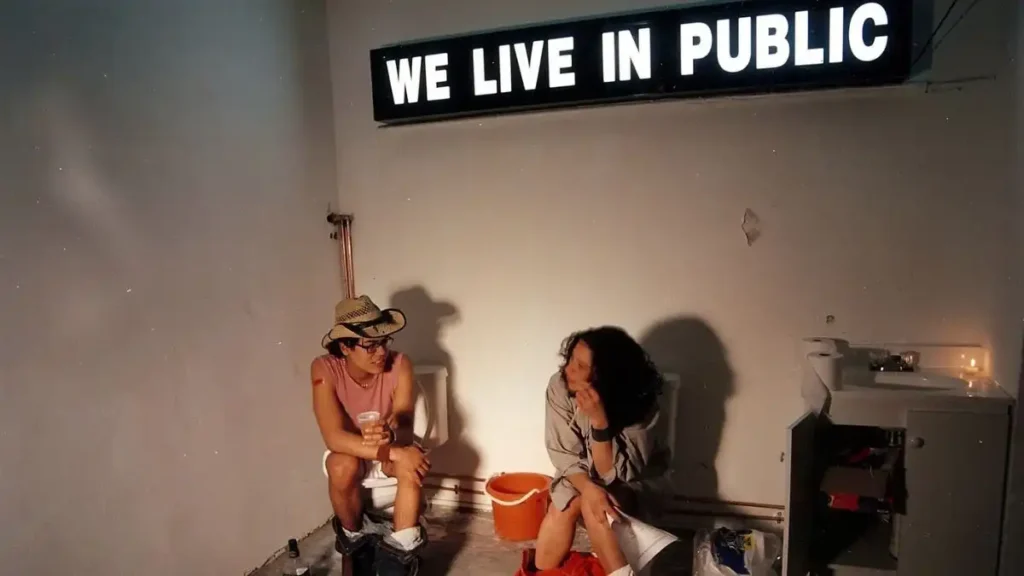
A documentary detailing internet entrepreneur Josh Harris and his models of online privacy, including one in which subjects lived under constant surveillance. It minces few words about the long-term personal and social psychopathologies created by life in an interconnected world, or the Faustian bargain between privacy and publicity.
Men, Women, And Children (2014)
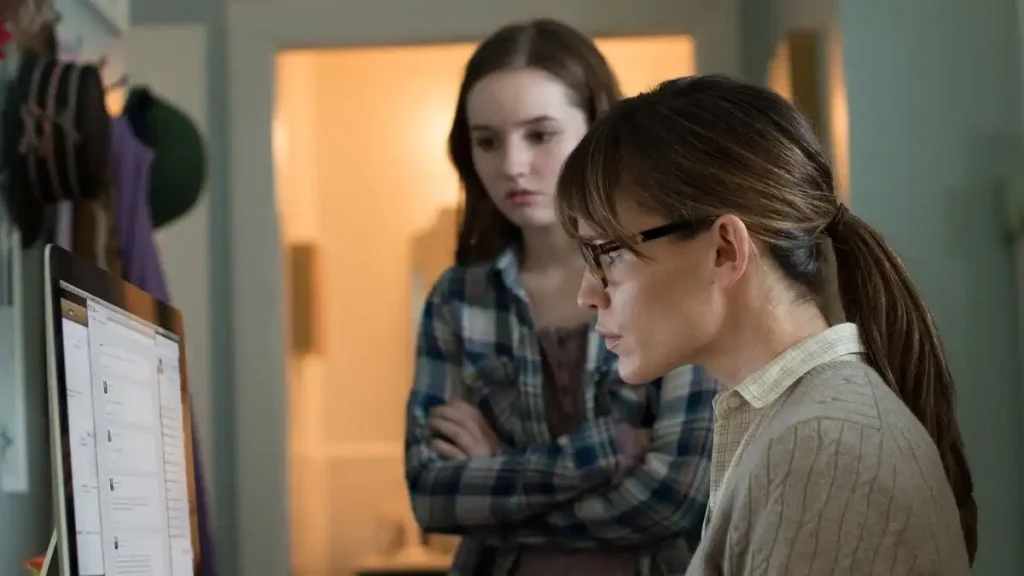
An ensemble drama about how the internet has influenced human relationships and communication. The film covers topics such as Internet addiction, cyber-bullying, and online infidelity to show how technology brings people together while driving them apart in their personal lives.
Chef (2014)
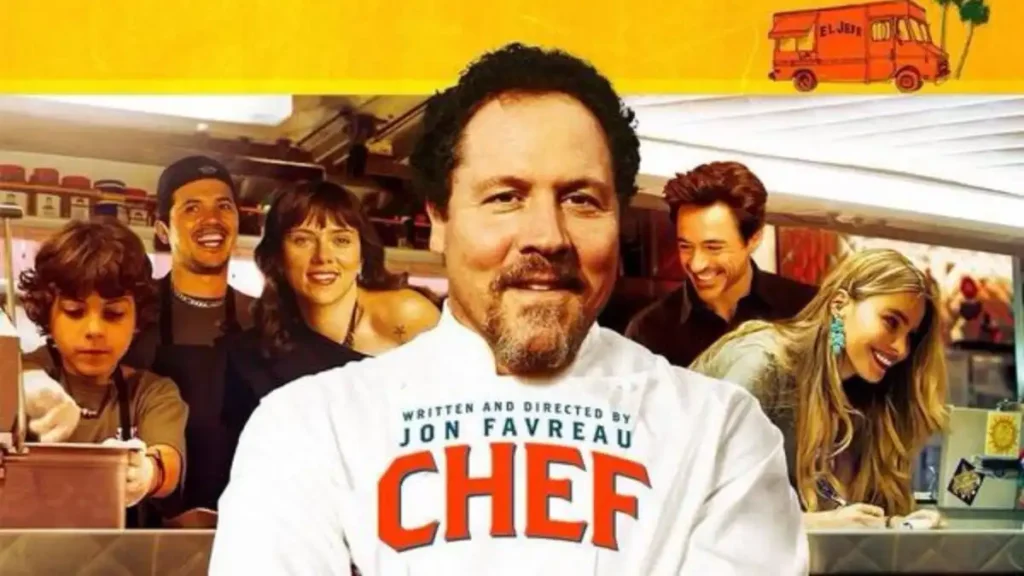
Bearing in mind that this is a review of Hall Pass, not Chef or No Reservations, it’s still troubling to note how much time the film wastes with Rick being sad and zippadee-do-dah once more. This fun, fast-talking film is a celebration of the potential for good that can be done through online channels when engaging with your community and creating absolutely anything, as long as you can reach people.
Mainstream (2020)
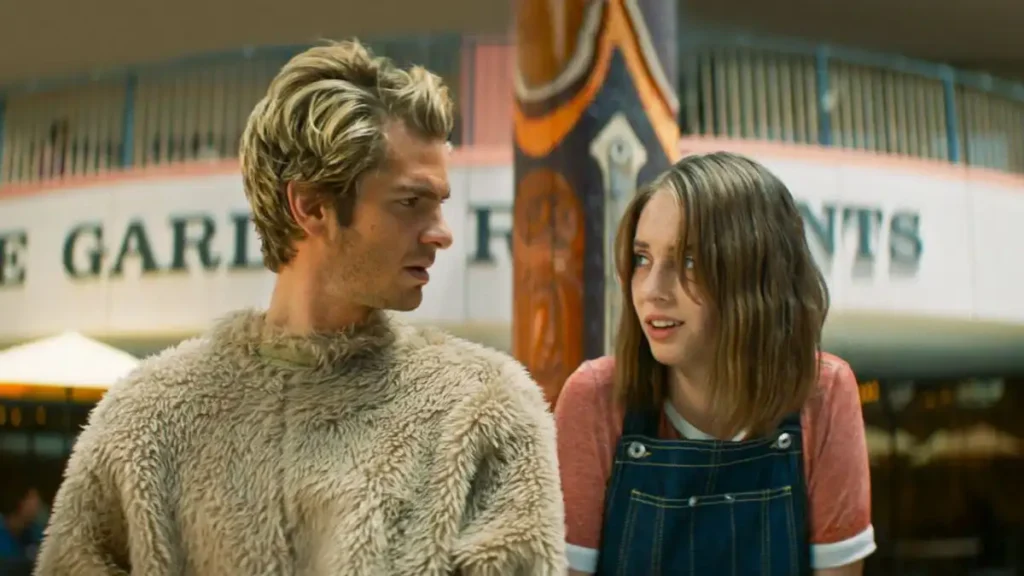
A satirical drama centered on Frankie, a young woman who loses things in the real world and then sets up random people to cheer them by spreading everything as fast as possible over Link, an eccentric internet dead man walking with half of his brain missing. It raises an interesting question: Is the passion for famelessness still a healthy one? Is Internet cheating in virtue ethics?
Reality High (2017)
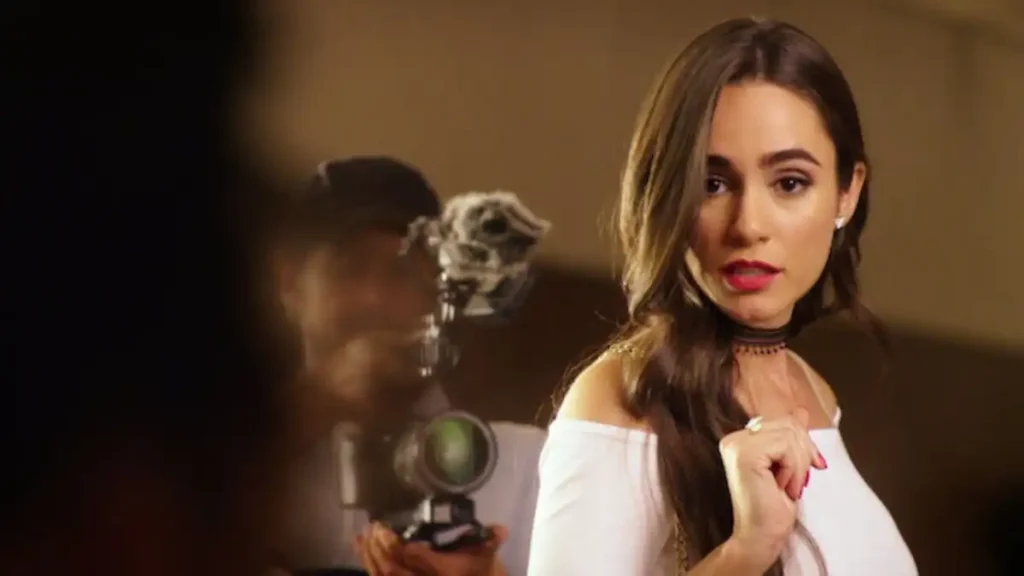
A high school teen wins social media fame after becoming popular with her older sister, influencer Dani Barnes. The movie delves into the shallow world of social media clout and how it not only influences our real-life relationships but also, humorously, illuminates why remaining authentic to oneself is key in this new digital age.
Black Mirror: Nosedive (2016)
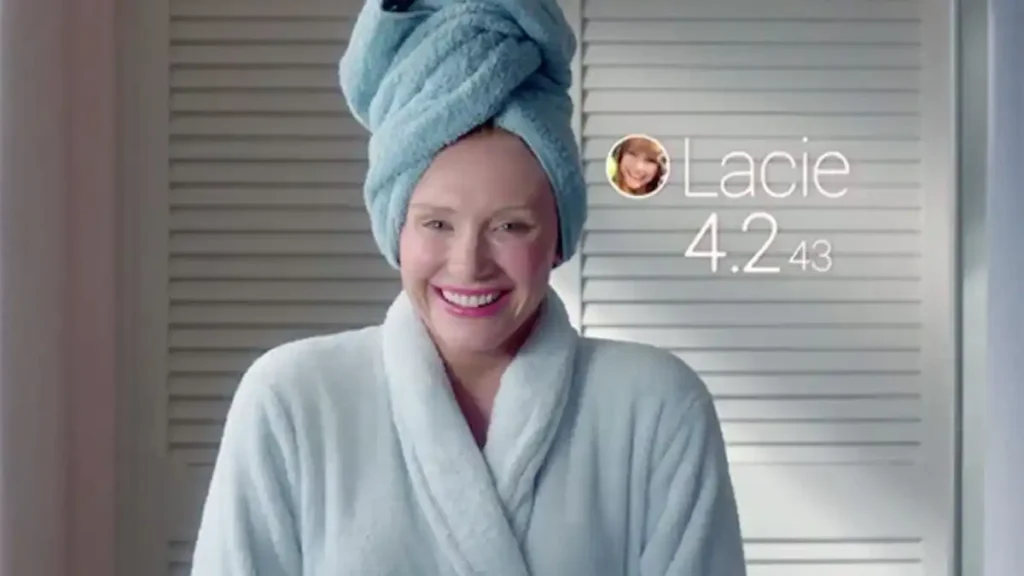
Well, iit’snot a movie, but this “”lack Mirror””episode takes place in a Dystopian future where people are rated on social media scores that can affect their socioeconomic status. The film clearly makes a commentary on the overwhelming need we have for digital validation and for maintaining an aesthetically driven online presence, while prompting us to consider what these continual half-truths can ultimately lead to, due in part to our social media/consumer society.
The American Meme (2018)
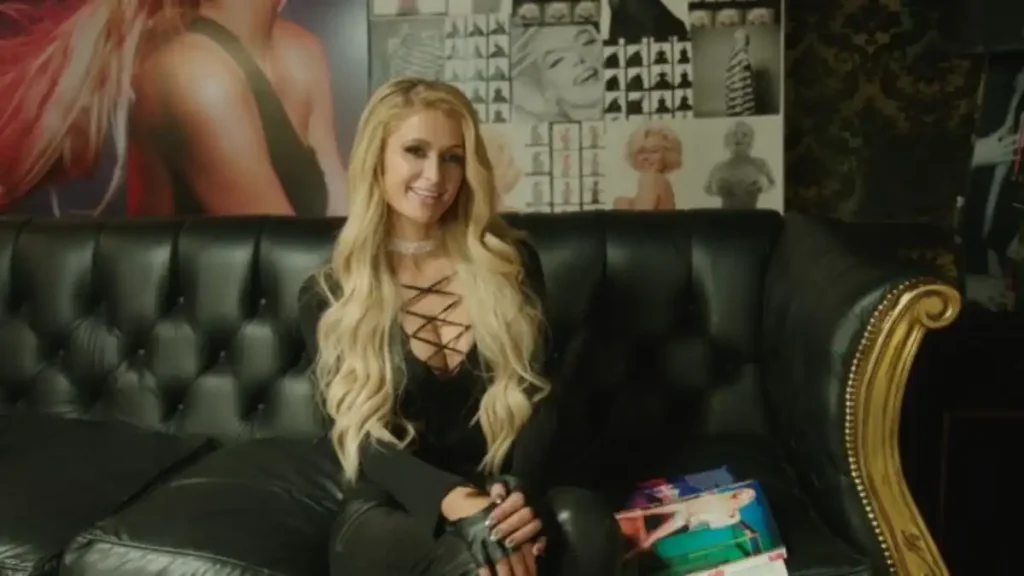
Follows three of social mmedia’sstars, Kids say stuff online challenge/bash, practicing Coachella glimmers. The information aage’sdecade has been underway long enough for movie producers to be cobbling together documentaries about the Web. Starring the likes of Paris Hilton and Josh Ostrovsky, Paramount+ will explore the blurring of personal and public life, as well as social mmedia’seffect on oone’smental health/identity.
Swiped (2018)
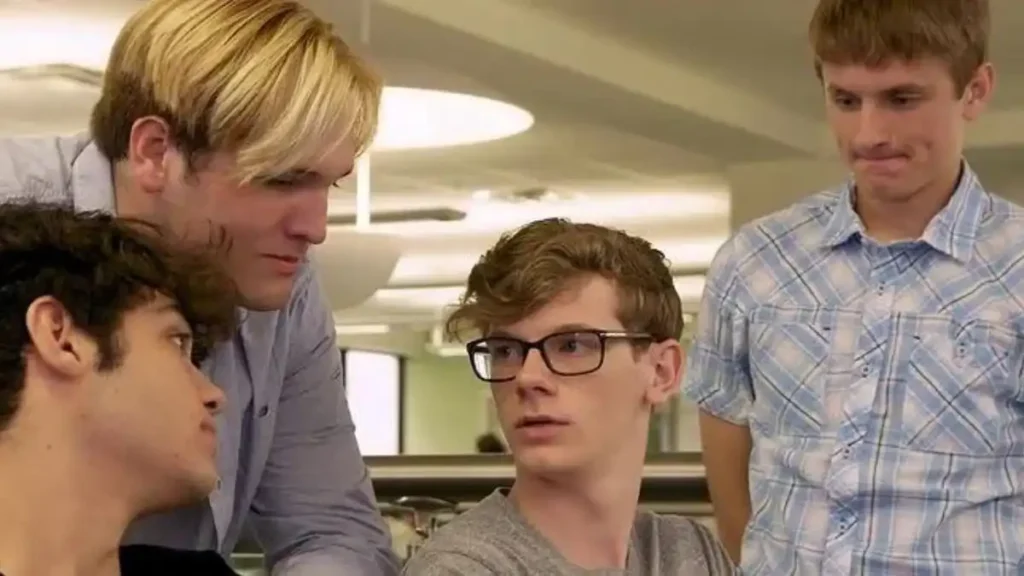
A comedy about two college students who develop the next great hookup app, but begin to get in their own way as they explore dating and friendships with millennial culture. The movie riffs on the blatant transactionality of all internet relationships and how hard it actually is to connect meaningfully when you can swipe your way through everyone.
Like (2018)
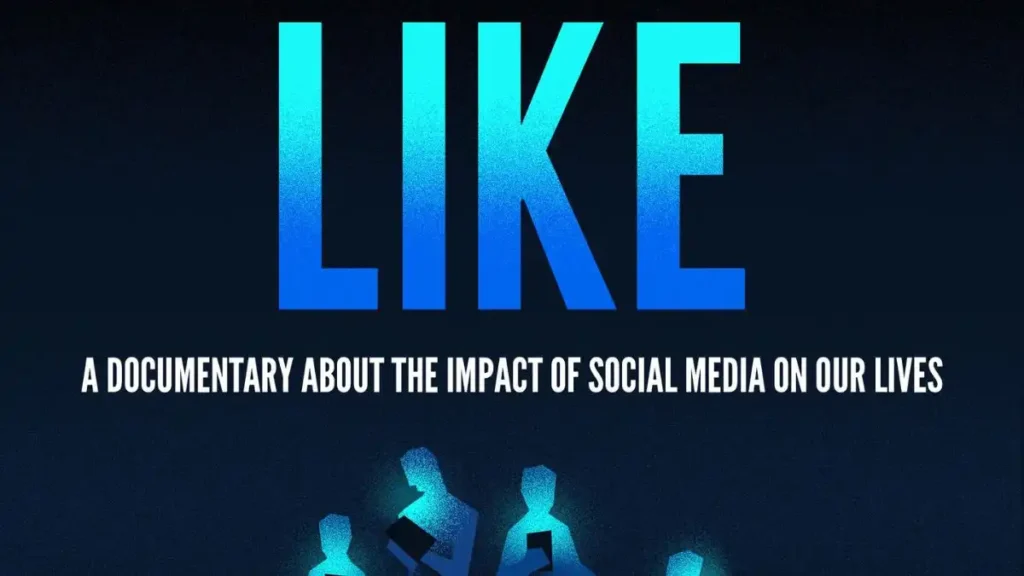
This documentary takes an in-depth look at how social media uses the psyche to control actions and decisions in ttoday’sworld. By shining a light on its detrimental impact on self-worth, The Social Dilemma warns viewers about the downsides of social media and encourages them to reevaluate their technological ties.
Cyberbully (2011)

A drama centered on a teenage girl who becomes the target of bullying after she joins Facebook. The movie celebrates the victory of courage over fear and mystery in a society that thinks otherwise, showcasing how the love of family and friends can determine whether we succeed or fail in whatever we do online.
Ratter (2015)
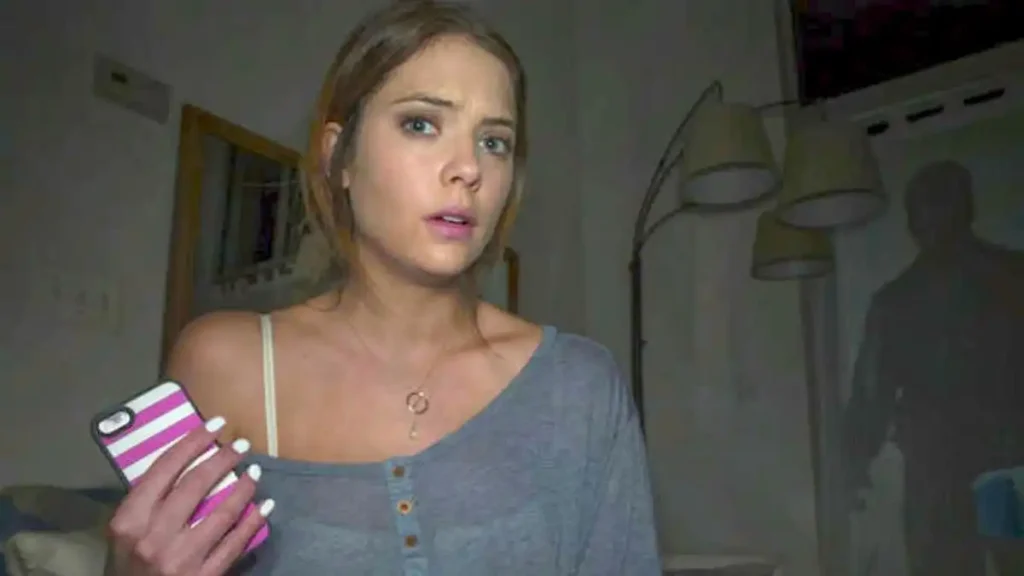
A thriller about Emma, who is targeted by someone stalking her through the digital world, to learn from our connected life how easily we can be prey to stalking and many other things. Surveillance, technology: Control obviously builds tension through the surveillance and security technologies at its narrative center stage, foregrounding our concerns about privacy in an era when they are too often trampled on socio-politically.
The Hater (2020)

Based on the novel by Joe Hill and adapted for TV by showrunner Jami OO’Brien with Hill onboard as an EP, The Watch managed to turn Terry PPratchett’sseemingly unadaptable Discworld novels into a cheap Doctor Who rip-off. The crew further investigates issues of fake news, social media manipulation, and the impact that online platforms have on ssociety’sbehavior.
Cuckoo (2023)

Gretchen is a modern-day horror film that combines Facebook gameplay, online social media, emojis, and pictures. It is a film that ruminates upon the machinations of paranoia in this digitally advanced age, where virtual versions replace reality and online connections weave between actuality and enigma.
These movies about social media leave a strong impact long after they end. They reflect real habits while warning about stronger effects. These stories remain relevant as online life continues to grow.


