




Many workers who graduated from prominent universities realize that their base pay is insufficient to cover their expenses. They are now turning to side gigs to supplement their income. Due to this trend, many educated professionals working as delivery agents for firms such as Swiggy and Zomato have increased.
Although delivery workers have historically complained about poor pay and difficult working conditions, new research suggests that these are starting to improve.
Nowadays, highly educated people, including software engineers, are adding side jobs like food delivery to supplement their income. Leading meal delivery services Swiggy and Zomato have observed increased delivery personnel with strong educational credentials.
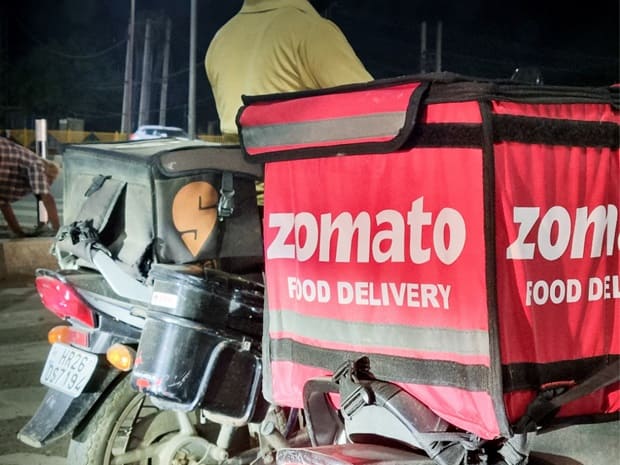
Particularly in cities with high living costs, many of these delivery workers discover that their profits from food delivery occasionally exceed their main source of income. Professionals in fields whose incomes have not kept up with inflation and rising living expenses are under financial strain.
YouTuber’s interview finds a similar trend of highly educated individuals supplementing incomes with food delivery gigs. Recently, a YouTuber named Full Disclosure interviewed riders from both organizations and found some surprising information.
The riders claim that their current monthly wage, which exceeds that of IT workers on average, is between Rs 40,000 and Rs 50,000. Amazingly, one employee even disclosed that he could save Rs 2 lakh in just six months.
Food delivery services, their payment structures, and work hours
The video explores how delivery services are paid for. Big platforms like Zomato and Swiggy don’t have set salaries; employees work as freelancers. They can choose from three job options: two to three-hour slots spread throughout the day, full-time shifts lasting at least eight hours, or part-time shifts lasting at least four hours.
The firm gives the riders orders while they are working, and they are not given the choice of delivery; the company assigns the journey. All they can see for each delivery is the distance and the profit. They can refuse commands, yet doing so may also result in consequences.
Every delivery has a set minimum payment requirement. Zomato charges ₹40 for each delivery, but Swiggy pays ₹20 if the delivery is within a 5-kilometer radius. This implies that the basic payment won’t change if a delivery is made 500 meters away or within 5 kilometers. For every kilometer above the basic distance, delivery agents receive compensation in addition to the predetermined price, around ₹10.
Riders receive bonuses for meeting daily earnings objectives, making the incentives attractive. However, depending on the city, these costs could differ significantly.
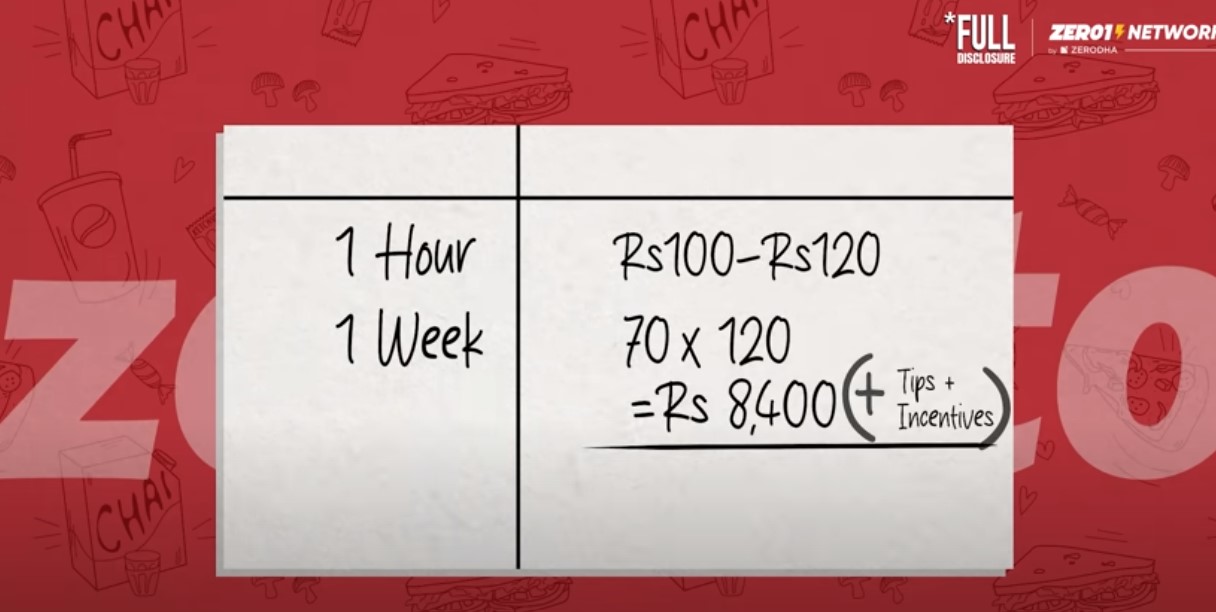
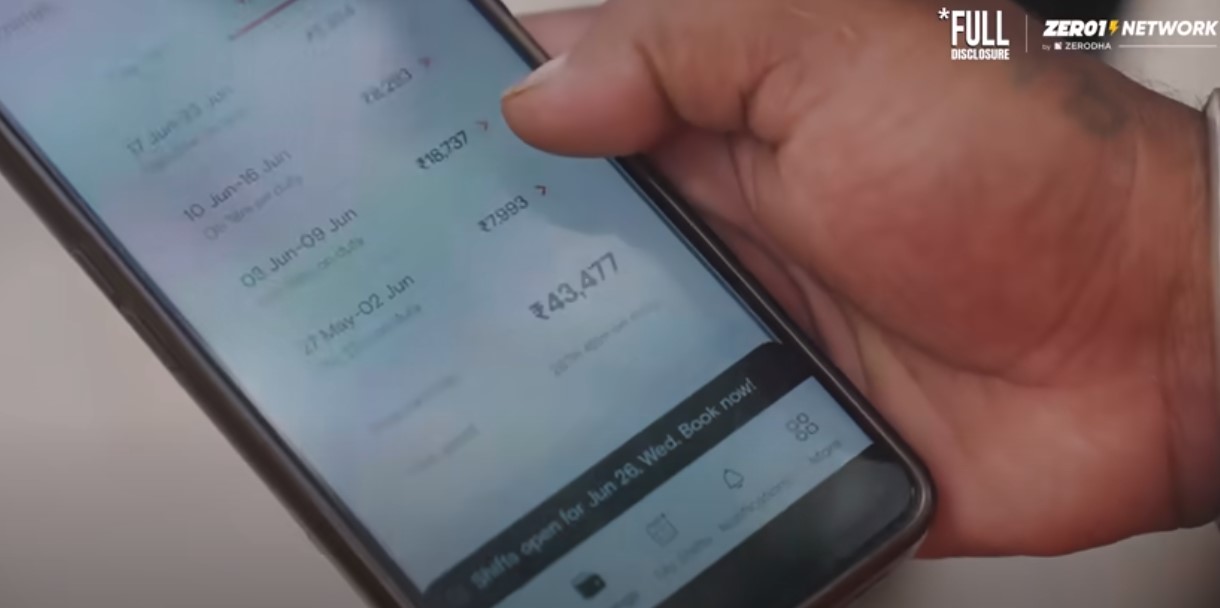
Nevertheless, delivery agents frequently work significant hours—typically 12–13 hours per day—to earn these pay rates, sometimes up to 70 hours per week. Due to their rigorous work schedule, they can earn between ₹7,000 and ₹8,400 per week from deliveries alone. When tips and incentives are considered, their monthly earnings come close to ₹43,000.
This growing trend underscores urban India’s economic pressures and evolving employment landscape. What do you think about this method of gaining extra income?


